
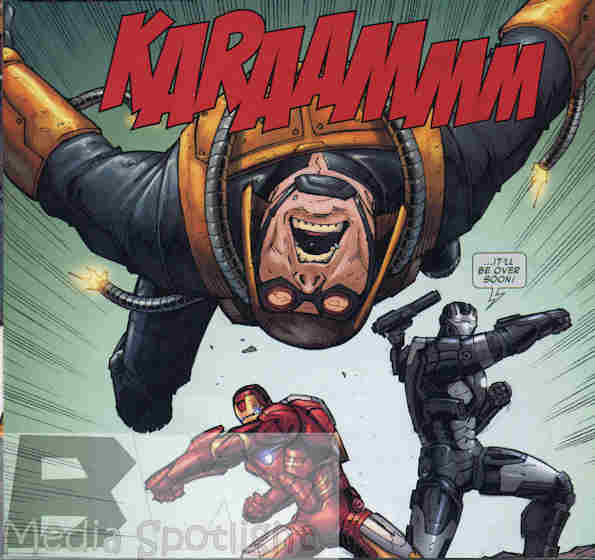
It’s an…interesting time in the world of storytelling media.
There seems to a battle for dominance, or at least some mutual benefit, some kind of understanding, when it comes to our comics, shows, games, and so on. Between tempers, egos, and the activists who happily manipulate both for their own ends, the storytelling industry is losing steam. American comics are selling worse despite more people in the world, streaming services are losing subscribers (even our recent cord cutting is only sending us to ad-sponsored free offerings), game trailers inspire rage more than anticipation, theaters are not coming back from the 2020 lockdowns like they should, and everybody is fed up for their own reasons. Old stories are getting a second look while new stories fail to live up to the past even as they try to replace the past.
There is a three-faction struggle for the fate of entertainment: the creators, the studios (or publishers, but for the sake of convenience I’m going to group them all under “studio”), and the fans. Each has their own goal, and there was a time when more often than not something came out that made everybody happy or at least satisfied with the result. Creators told their stories, fans enjoyed their stories, and studios made money from the stories and related merchandise. Sure, we still got the stinkers, and not everything worked out as planned for reasons often unique to that product’s creation, but for the most part everybody found something to love and the people behind it reaped the financial and resume benefits while the fans found their money well spent on something that they needed to deal with the day’s nonsense.
This is no less and less the case, as these groups are now screwing each other, though one group is getting it worse than the other because they’re the most disconnected from the storytelling process, no matter what certain “news” outlets try to say otherwise. Understanding where both groups are succeeding, failing, and being forced to fail is important to try to make sense of the future of the properties, pop cultural and regular cultural icons, and the future of media itself. Maybe this is what led to the Star Trek future where only plays, choir and jazz music, and a few books remain of media.
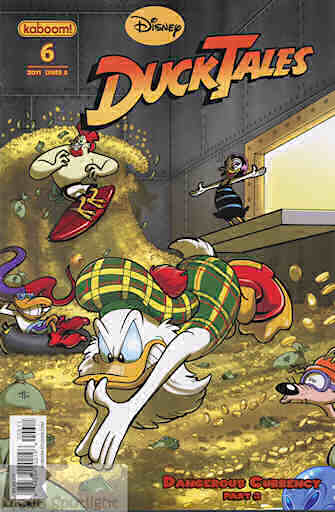
The Studios (and publishers)
All the problems begin with the studios, because what they don’t cause directly or indirectly, they’re still responsible for letting happen. In times long past, many entertainment studios moved from New York to Los Angeles, founding Hollywood to get out of the thumb of the attitudes there. They dictated everything down to what brand movie film you were allowed to use because Thomas Edison’s company was run (and started) by a putz who insisted the patent was on their side. They had a lot more freedom out there and more sun to play with…and I wish directors would use the sun more, but we’ll get to them in a moment. Funny, then, that the corporate and union systems ruined all that even before the activists got involved.
The biggest problem with the corporate mindset is the focus is only on the money. Capitalists want to get as much money as they can, and try to find the best ways to do it. Corporatists want ALL the money and zero competition, which is why they support anything that will keep a small business from becoming a big business, since they know that’s how their business started. That’s also where you get all these mergers from. The company that Walt Disney started (more on that later this week) went from being a business-savvy creative venture (Walt started in animation and started his own company to have full rights to his creations) to a corporate juggernaut absorbing other studios like that fish game where you eat the smaller fish to grow larger.
Due to lacking creativity they only see profit in what already exists because in theory they know that it works, while lacking an understanding as to WHY it worked. Creators are guilty of this too, mind you, but the studios are supposed to be overseers, not forcing themselves into the creative process themselves so they feel like they contributed. Since they must answer to investors and sponsors, they’re afraid of even trying to innovate, sticking to what works. Matthew 25:14–30 tells the story of a man who left his money with three of his servants while he went away, and while it’s intended as spiritual allegory, to use the talents God gave you (a coincidence given that the name of the currency used was “talents”), it fits the corporate world as well. Knowing their master didn’t pity fools Mr. T style, two of the servants invested wisely and were rewarded with more money as a result. Corporations tend to be the third, afraid to use their talents to their benefit and bury them in the ground, in this case existing properties.
This is of course where my allegory loses steam, given how much money Disney has thrown at LucasFilm and Marvel only to LOSE money as they demand reshoot after reshoot to the point where they make three movies out of one. This is the fault of the next group, mind you, but even then the studios have to answer to investors not happy with the way things are going. The Acolyte had a budget of $22.5 million per episode, $180 million in total, but you wouldn’t know it from even the clips. ABC tried to scuttle the original Battlestar Galactica for an episode count of around one million dollars in 1979 money, about four million in 2024 worth. Their new parent company is throwing almost 20 times that on a show that none of the fans care about.
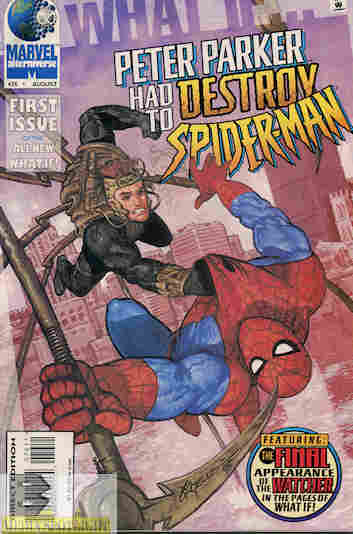
The “Creators”
Of course, if you ask the creators of The Acolyte and a host of other shows and movies, their works are amazing, better than the source material, and only the bigots hate them because the lead is either non-white, a woman, gay, or all three. Meanwhile we have to assume this means that they can’t write a GOOD black lesbian character because it’s the story that is getting the rage, especially if it tosses out something they used to love…the story and characters. Although technically it’s a new spin on “you just don’t understand my vision, you plebeians”, but with more culture war hate attached.
Here’s the problem for the writers and directors: the studios are afraid to do anything original, because they look at what works, are incapable of understanding why it worked because they look down on the “little people”, and just remake what they know people are like. Being that risk adverse means the creators can’t get the scripts and concepts they really want to be doing out there. Whether those scripts are good or not is also an issue, but the real problem is that they’re so convinced that their story is the best thing ever put to paper or pixel that they’re determined to get it out there, that they will cheat to get it out there, sure the audience will see their vision and praise them to death. Such nonsense used to be limited to the indie movie, and sometimes they turned out to be right. Other times not so much, or they didn’t have the budget they needed.
Of course, that isn’t good enough for some. They need to be on the big screen, with the big name studio, and the big name actors because (a) the studio demanded the big names and (b) it makes their vision look more legitimate. So what do you do when the big studios won’t take your “genius”? You say “okay, it’s actually this nostalgia property”, give your script a visual make-over with names and references you got off of Wikipedia, and hope you fool the studio into letting you make it. That’s how you get Jem, a movie that managed to even trick the show’s fans into supporting it only to get generic music plotline #2, but with a sequence involving a little robot and one post-credit scene that just barely hints at the movie the fans wanted in the first place.
Or you get Todd Philips’ Joker movies, where Philips so hated “comic book movies” that he used the Clown Prince Of Crime to show that his tastes in movies were “superior” to those superhero blockbusters. So you get a movie that’s been described as Taxi Driver meets The King Of Comedy about some failed comedian who puts on clown make-up and is an unreliable narrator in his own movie. Margot Robbie gives us a poor example of the women of Gotham City and I still haven’t forgiven her for what she did to Cassandra Cain in her first appearance to the masses. Ron Moore took Glen Larson’s Battlestar Galactica and changed everything but the inciting incident because he wanted to tell a darker story than the spiritual journey Larson was going for, and making things so Earthlike it might as well have been a future Earth, closer to the original Adam’s Ark concept Larson had in mind, but with a “man vs machine/what is human” theme instead.
Also, and I can’t state this hard enough, NO MORE “PET CHARACTERS”!!!!!!!!!!! Whether it’s Dave Filoni treating Ashoka Tano like his own daughter or Simon Furman having Grimlock fail upwards because he loves writing the jerk, it leads to annoyed fans and no stakes. I have to at least believe the plot armor isn’t indestructible and that the hero has to struggle while the villain does have a decent weakness.
Still not happy about happy about how your vision wasn’t accepted, or that you loved making a show that fans hated? Just follow Amandla Stenberg’s example and make a diss track about how every Star Wars fan who hated what they did just hates women and minorities…despite any Star Wars fan being able to tell you their favorite woman, alien, robot, etcetera from the years of comics, novels, video games, and animated series. You don’t have to force Hollywood Diversity (stereotypes and a narrow view of what “diverse” means) on a franchise where organic diversity is literally part of the DNA already.The surface viewers don’t understand why you aren’t fawning over them, so they have to make up an excuse rather than doing a little self-reflection and trying to see the problem, with an exception being most of the main cast of Madame Web admitting their movie sucked and the occasional apology from a director. Those are the exceptions, while the rule is to blame the fans. Speaking of which:
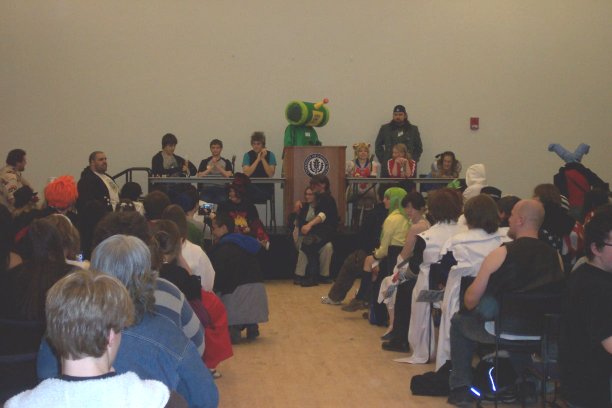
The Fans
Of our three combatants, the fans are the ones getting the rawest deal. They see childhood favorites butchered for their branding, have to hunt for anything new, and then get told they’re the eternal evil (because “Nazi” has become a brand…somehow) because they didn’t like what was put out there, if the trailers and interviews convinced them to go at all with the current economy already eating into entertainment budgets when they’re trying to pay bills and feed their families. That’s ignoring all the rude people in the theater that makes you wonder why they went to that movie in the first place, the overpriced snacks and drinks, and people still not shaking off the 2020 plague and associated lockdown scares that put them into a new way of living and receiving entertainment.
Comic fans have to deal with an industry that already has low self-esteem using their childhood favorites to tell them how evil they are just for existing, while today’s childhoods are lacking in superheroes, with comics no longer an easy casual form of entertainment, the thing that made comics popular in the first place and all the Hollywood superheroes jumping from preschool to adult without anything for the kids in-between. Many fans have had to do it themselves, making their own comics and fan-films that keep the spirit of what they enjoy alive, but without the financial rewards to make more or make a career out of it unless it’s an original property and they’re very lucky. So they can only make those things when they have time off from their jobs, which would take away from family time or just relaxing. It’s not the best option. Of course, even those people rarely make kids comics, shows, or games, so kids are still missing out, the fans forgetting what age they were when they were introduced to their childhood favorites that followed them into adulthood, and deny them to the next generation. If we had that attitude, you wouldn’t have Sesame Street growing up.
What, you thought fans weren’t part of the problem just because they’re on the losing end? Fans aren’t making money off of these properties unless they make their own original works, and then they become creators. No, we fans, and I say this as a fan trying to transition into creator, have our own house to clean. Studios aren’t wrong that the audience don’t always give new properties a chance unless they’re fed up with the studio system enough to become creators. I’ve seen good ideas die due to lack of audience more than lack of quality because the audience has to be choosy due to the aforementioned economic concerns. Todd Philips Joker gets praised despite not being a good adaptation. Even the Battlestar Galactica reimagine gets praise for NOT following the original series’ tone and theme, telling studios that if it’s good enough a bad adaptation will be accepted if the story is good enough.
I’m not innocent of this, mind you. The NeverEnding Story is my favorite movie despite being a questionable at best adaptation of the Michael Ende novel, almost using a conflicting theme. I enjoy the 70s Buck Rogers In The 25th Century more than the originals because of the cooler ship designs and explanation of how Buck ends up in the future, plus I can relate to it better as it uses elements of the world I knew. The only other version I got into was Dynamite Comics’ take, which blended in more of the proper elements from the original comics but with what a “modern interpretation” should be rather than whatever the activist creators think it means. I’ll also take the Gene Wilder version of Willy Wonka over the book or the supposedly closer Johnny Depp version.
I’m willing to acknowledge my sins and it won’t change my enjoyment. This is why I understand when some fans will take to a different version that more caters to them, but I didn’t need those things, or I didn’t them to be a bad adaptation when I would have loved them as an original property. The NeverEnding Story is at least faithful to part of the original book, but without the rest of it the context is all jumbles. They don’t deserve scorn, or to be called anti-this or istaphobe that. At the end of the day, whether it’s original or a proper adaptation of what we love, we just want good stories with good characters regardless of their gender, sexual orientation, skin color, or even species. There are dogs, robots, and beings that don’t even exist in the real world I can relate to more than some of the “diverse” characters out there, and knowing WHY a brand became popular enough to give those studios and creators something to make, then following that plan so well that you have a resume to use to push your original concept, would win more fans over, get you that money and praise you ask for, and lead to better storytelling overall.
And finally, lest I forget, you have the “everything for meeeeeeeeeeeeeeee” crowd, the self-important whiny jackasses who think everything popular, if not every story period, has to be made for their tastes and preferences, whether it’s speaking only to their life story or just their desired tone and age group. That’s very limiting, and tells other fans you aren’t allowed to have anything for yourself unless you join the hivemind. You can kiss my butt sideways! You don’t decide what I enjoy and relate to/empathize with.

In conclusion…
My goal with this article was not to attack either faction here. I understand studio reluctance, creators’ desire to tell “their story”, and the fans desire to just enjoy something that gets them through their day and brings them together with like-minded individuals. Instead of fighting each other, we need to work together to improve storytelling and build on what is already out there. It’s not that hard to do, and yet the egos make it seem that way. Simple solutions:
- Studios need to take more risks, to learn how different a creative enterprise is from other forms of business, and adjust accordingly. Keep an eye on the money in the hopes of making a profit, but give a vision a chance to be seen. Maybe set up a fund in the company for smaller and less famous projects. You might be surprised what sleeper hits are on your hands. Use the advances in filming and editing, in the new ways to reach audiences, but don’t abandon what already works. Use the best parts of both, and let them benefit each other.
- If you’re put on a nostalgic property, try to do it justice. Either way, don’t lecture your viewers/readers/players, or at least be entertaining enough that they accept it. Stop using stereotypes and go back to making characters, and actually try to understand what critics in the general public are upset about. Use that to course correct or clarify what you’re actually trying to do, rather than take a surface level view of your detractors.
- And we have to do a better job of getting that info to them. Angry rants are understandable after just seeing something, but calming down and better explaining why we don’t like something is important. Realize the actors only see something they wanted to make and try to explain to them why what they made didn’t work for us. If they still don’t want to listen, than the heck with them. Attacking the actors won’t help. Even attacking the directors won’t help. Giving them any evidence and chance to twist what you say is not helpful since they’re already spinning the people who do it right. Just as the makers and distributors shouldn’t look down upon the audience and punch down, punching up and hating on them does no favors either. DO discuss and review things you like and DO point out why you hate it, but also look for good examples for yourself and your fellow fans, and maybe someone at Hollywood or the comic/video game company who isn’t an ego-maniac, activist, or both, will see your comments and recommendations and learn something. Longshot, I know, but stranger things have happened.
- Finally, ignore the activists and the lords of the charts, and start listening to each other. We have the best tools for that in the 21st century. Understand the problems in making these things, but also know what the people who love those things love about them. And if you don’t love them, leave them to the ones that do, or at least respect it. Not every story is right for everybody and not every director or writer is right for every project. Think and go beyond a self-interested surface level viewpoint. That doesn’t mean you aren’t allowed to have your own viewpoint, it means you’re not the only one allowed to have a different one.
It all comes down to the egos on display. Fans are the least cursed by that but are the biggest victim of them. The creators have the biggest egos and will happily drown in them, while the studios just don’t pay attention to what’s really going on and let themselves be led and misled by the wrong people who don’t understand the creative business. Do I think this article will improve anything? No. The egos are still going to be there and I don’t have the biggest readership numbers on the internet. I am curious if anyone else sees the things I do and will work to make storytelling better, but in the current cultural climate I’m earning my class pessimist award from high school. I know the good creators are out there, and if I reach just one, or one person with the ear of a studio exec, I may have helped someone. Instead of making the problem worse, I want to at least try to be part of the solution. Anyone with me?



 BW Media Spotlight
[…] money they spend is ridiculous. As mentioned in an article earlier this week, The Acolyte had a budget of 180 million. I looked today, and that’s more […]
LikeLike
[…] and telling the Hollywood suits it’s totally accurate, knowing they won’t check. We talked about this last week. Bad adaptations have been going on since the 1940s Captain America serials at […]
LikeLike
[…] The Three-Way Media War: In a battle for the future of entertainment, the studios, creators, and fans all seem to want something different. The end result is nobody’s happy. Fans hate the work, creators hate the fans, and studios are spending more than they get back. And neither of them can figure out what they’re doing wrong on their side of the battle. […]
LikeLike