With everything going on this week, I remembered Saturday Night Showcase and forgot it again on and off during the week. At least this time I remembered to put a note about it. I’ll try to find something good for next week. Yesterday I got lucky with being able to announce they found two episodes of “The Dalek’s Master Plan”, a still incomplete serial with the First Doctor’s fourth meeting with the Daleks. The BBC, doing something right for a change, also provided a highlight reel of clips from the lost episodes, discovered by lost media and classic Doctor Who episode hunters Film Is Fabulous. So I can show you something cool tonight.
How long it takes before the full episodes are put out internationally hasn’t been said, though a theatrical showing and the BBC I-Player is scheduled for Easter if the restorations are done by then. There are still episodes missing from the serial, but we have more of it than we did, with only two additions to the previous count. That makes five episodes and a clip used for the BBC children’s show Blue Peter of the twelve episodes produced, the longest serial depending on whether you classify “Trial Of A Time Lord” as one arc or a series of arcs with a connecting story.
Just shows you never know what you’ll find while decluttering. And yes, that was Nicholas Courtney in his first appearance on the show, as Bret Vyon, prior to being cast as Brigadier Alistair Gordon Lethbridge-Stewart. That may be the best thing to have back. Here’s a video by the BBC about Film Is Fabulous showing the episode to Peter Purves, who played Steven, and an interview with him by FIF after seeing it.


BW’s Saturday Article Link> DC VS Manga On Genre Variety
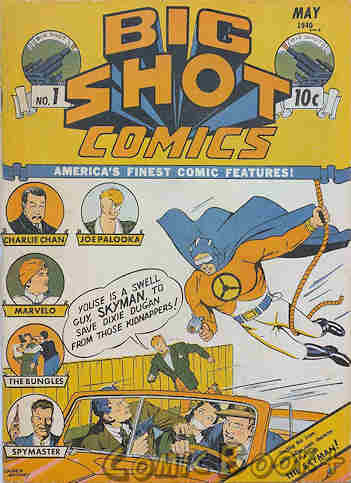
In a recent article of mine, I went over what DC Comics could and couldn’t learn from manga, after Jim Lee’s comments that they should look to their success to chart DC course. One of the things I’ve mentioned is that in the past American comics embraced multiple genres, while today only indie comics try to do anything other than superheroes and licenced works. We actually made more comics for “everyone” than we do now when certain groups are demanding comics be “made for everyone”, only not as disingenuous. It other words it was done for story variety rather than placating (insert group who doesn’t actually read comics here).
In an article for his Megacosm website, writer Victor James digs more into how comics used to make multiple genres of comics, like Japanese manga creators and publishers do today. Manga followed the Golden Age formula of tackling multiple storytelling genres for multiple age groups, and while that’s only one reason for their success, it’s one comic fans and commentators were requesting and suggesting even before the rise of Japanese media in the West to current levels. Something to think about.
Tell others about the Spotlight:
Posted by ShadowWing Tronix on March 14, 2026 in Comic Spotlight and tagged comics vs manga, commentary, Golden Age comics.
Leave a comment