
Recently History Channel had a miniseries as part of their “Built America” franchise going over the history of Walt Disney’s early years, how he turned a small animation studio into one of the biggest animation studios of all time. While “Uncle Walt” would make live-action movies, he never forgot his animation roots, and despite almost spending too much money to stay in business, he took risks that mostly paid off. The films under his tenure and multiple years after up through the “Disney Renaissance” are some of the most beloved pictures and even TV shows in pop culture history.
Then you have the current Disney period, where costs run wild, the end results aren’t worth it, buying all the competition and pop culture avenues they see as profitable, then forgetting why they were profitable and blowing tons of money for little reward. That’s ignoring the culture war crap that’s more a symptom of a larger problem than anything else, but it’s a problem as well.
So where did Walt Disney succeed and Disney fail? I actually took notes while watching the miniseries, and the first five episodes were quite an eye opener into why current Disney is doing so bad that two different Film Theory hosts on YouTube were able to put their business up as how Disney and it’s absorbed subsidiaries could stop screwing up. Maybe they should watch this miniseries and see what they’re doing wrong? For example:
Innovation
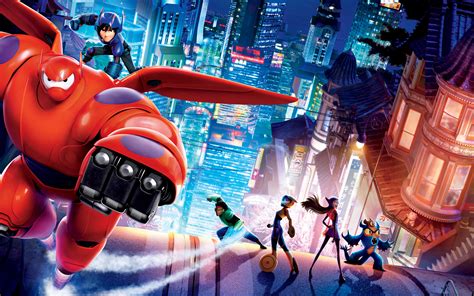
You would think that having both Walt’s legacy and George Lucas’ legacy that Disney would not forget this lesson. And yet “innovation” has been a virtual set with a better screen for Star Wars as they slowly made me SICK OF HEARING ABOUT THE AMAZING OLED SCREEN because they wouldn’t shut up about it. The CG predates the current owners, when Disney under Bob Iger did what Iger does best and bought Pixar. From there Disney slowly replaced hand-drawn animation to the point that if you see a hand-drawn (be it on cels or computer) cartoon on a Disney service it was done by someone other than Disney. We’ll talk more about that later.
Walt and his team were masters of innovation. They essentially created the storyboard, a tool used by pretty much every animated and live-action production currently in existence since. It was Walt who saw the future in talkies for his cartoon characters, created a visual metronome to help with sinking on film versus the older method of putting the soundtrack on a separate record and hoping the timing was right. Film was just starting to be capable of having a soundtrack on it, and Walt helped the orchestra get it’s timing right with the visual metronome to not ruin the recording. When Technicolor came along, Walt gladly supported the project and used it in his animated works, forcing the ladies in the ink and paint department (believing women had steadier hands…you don’t see that being celebrated because it would mean not treating Walt as a bad guy) to come up with original paints because what was available at the time wasn’t good enough.
The multidimensional plane camera, which had each piece of the image on a separate layer that could be moved further from and closer to each element as needed was also their invention. Walt wanted to realistically zoom into a night scene without messing up the distance from the moon in the sky. Then there’s this technique found by the Corridor Crew at Corridor Digital featuring a technique in Mary Poppins that outdid bluescreen and greenscreen techniques.
Fun note via a pinned comment by former Disney cameraman Rusty Geller:
I was one of the last people at Disney to use the Sodium Vapor light system. It was on “Something Wicked This Way Comes” in 1982 or 3. I was an vfx AC at the studio. The prism was held under license from Rank. It was a hallowed object. It was kept in a steel box and it was studio policy that 2 AC’s had to be with it at all times when it was removed from the storage locker. We both carried it to the stage, then carefully inserted it into the 2-strip camera. It was never left alone on stage, we took turns leaving for lunch, the john, etc. It hadn’t been used for years but we had a series of tough matte jobs to shoot so they dusted off the old gear. I was aware I was watching a bit of history. The key was the didymium filter in the prism. That thing has to be around somewhere. Technically, Rank would still own it.
This one wasn’t even mentioned in the History Channel special. And it was a bunch of small budget filmmakers that resurrected and modernized the technique while the company itself was too busy making a spaceship hotel nobody could afford to stay in. They updated a Disney-created technique that Disney never even considered with their larger budget and effects. What about creating a camera that did what this box and two cameras did? That would have been money well spent.
Disney needs their own Roy Disney
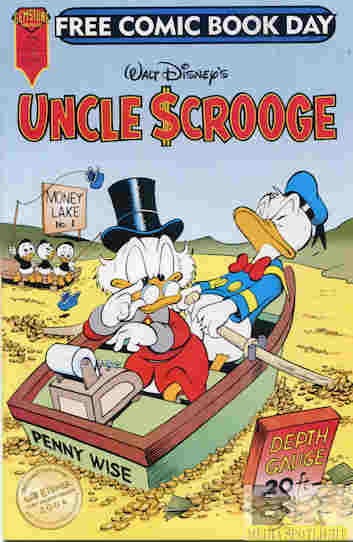
According to the special, Roy was the man who handled the money. While some of Walt’s ideas seemed really risky from a financial perspective, and Walt would test his patience by spending money on these techniques and gadgets, unlike today’s Disney those risks actually paid off by making a product so good that people spent money to see it. Embracing Technicolor, the very large and high multiple planes to better record the single images, going past the Vitaphone technique by finding a way to make the sound and visuals mix easier on the film…that all cost money, and let’s not even talk about Disneyland. They all worked because Walt knew where the money needed to be spent, even if other studios his size at the time wouldn’t take those risks and Roy probably had a few heart attacks when it happened.
However, the miniseries does give at least one example that Walt wasn’t unreasonable. While he took risks even he was easily convinced by Roy not to fix one scene in Snow White & The Seven Dwarfs where the Prince appeared to be shimming up to Snow White’s glass casket. Walt noticed because he was a perfectionist when it came to his first feature-length animated movie, but Roy convinced him it would cost too much. In fact, until Walt found a way to make it work, he would listen to Roy on various matters that they couldn’t afford to do it the way they were doing it. So Walt found another way, and it was a method that would continue in other projects without having to make that expense again, or at least they were ready for the next time.
When Walt wanted to make Disneyland he came up with a way to get ABC to help fund it by creating an anthology series that would include updates on the park’s construction. When he saw merchandise created for Mickey Mouse was in poor quality and barely resembled him (the miniseries breaks out a Mickey Mouse stuffed figure that had a nose way too long and ears not quite right, something out of a Chinese knockoff, though that might just be analogy and not something the brothers came upon), he was convinced by Kay Kamen to let him handle the merchandising, which not only went into making more cartoons but would protect the Disney brand against poor representations of the characters kids were falling in love with. Episode 4 goes more into that than I will here, but it’s fascinating to learn about. His untimely death really hurt personally and businesswise for a while. Today’s Disney poorly represents their legacy on the screen.
The money they spend is ridiculous. As mentioned in an article earlier this week, The Acolyte had a budget of 180 million. I looked today, and that’s more than was spent on the first movie, where Lucas was inventing and improving existing special effects techniques to the point he started a visual effects studio still in high demand today. Meanwhile, Disney+’s most raged against and least watched Star Wars series had two flashback episodes using mostly the same footage, did not have the best looking sets, and felt like a padded mess in a show that celebrated the Sith while trying to paint the Jedi as evil–and according to reviews failed at that. Reports are that the latest Captain America movie focusing on the former Falcon has had three reshoots, with speculation the reshoots are massive enough to be edited into three separate movies, all while the VFX team who works on Disney’s Marvel productions unionized against them, Disneyland workers are preparing to strike, and the city of the future Walt envisioned was finished by Roy after Walt’s passing to fulfill his brother’s dream just lost their right to self-governing after a very public battle with the Florida governor. Today’s Disney is spending money like it’s going out of style.
Think about all the work put into those old Disney theatrical shorts.
Walt loved cartoons, Iger seems to hate them
The specials tell a story, and I can’t verify how truthful the telling is, of Walt first coming to Hollywood with a demo reel. I think it was an Oswald cartoon, and Walt learned his lesson when Universal’s Charles Mintz tried to con him into dropping his studio, thus eliminating competition, and work for them instead. Basically he was able to gain full rights to Oswald The Lucky Rabbit and assumed Walt would be so attached to the character that he could get rid of the rival and have them work for him instead, even going after some of Walt’s animators. He said no, went on to create Mickey Mouse with the help of his wife and animator Ub Iwerks, and now Universal doesn’t really have it’s own animation department. Or if they do, nobody knows it. Modern Disney eventually bought Oswald because Iger knows how to buy things, but not how to make things with them once he’s got it. He showed up in the Epic Mickey games. That’s it.
Then again, Iger seems to hate his company’s animation legacy. Blame the ego driven actors who forced the Oscars to create a “best animated picture” category because Beauty & The Beast and Shrek dared to challenge their camera-hungry faces for Best Picture. So now Disney is slowly replacing their animated classics with live-action remakes, put in the hands of directors who see an opportunity to “make it better”. ALL of these have been rejected by fans of the original who see them as demakes of the classic animated works. Beauty & The Beast, The Lion King (which is technically still mostly animated in photorealistic animals against filmed location shoots for backgrounds), Aladdin, and a movie that’s Pete’s Dragon in name only have all failed, and their new take on Snow White is already getting lambasted thanks to culture war nonsense and one idiot little person actor who clearly never saw the movie while the actress playing the title character has attacked the original.
Snow White & The Seven Dwarfs may not be the first feature-length cartoon. Fleischer Studios’ Gulliver’s Travels beat them to the punch for example. However, while the Fleischer brothers were great at what they did, they still filmed it like a cartoon. Walt made the presentation something akin to a live-action work. That was the point of the multiplane, so they could move elements around the camera that you could do with a set but not with 2d drawings on top of each other. Look at the scene where the wicked Queen turns herself into a hag, the joyful play at the dwarves’ COTTAGE, PETEY!, complete with a fun dance number, the use of live models, even with animals in later movies like Bambi. Walt had a great attention to detail because he loved animation.
The special gives us a scene of Walt on a train with his animation reel to find a distributor in Hollywood. Someone on the train told him that if wanted to succeed in filmmaking to drop the cartoons and make “real” movies with real actors. Walt declined to take that advice and it worked out. While Walt Disney Pictures was making some live-action movies, he never forgot that mouse it all started with was a cartoon. He and people who followed him would take animation seriously at Disney. Even Michael Eisner, for all his mistakes, knew Disney’s future was in the media format that founded it, cartoons. Walt found ways to make cartoons better. He fought for his Mickey Mouse to still be clean-cut while other animation studios were going for the tricksters and edgier content. The former would end up in Disney, but not by corrupting an old character. Instead his team came up with Donald Duck, while today’s Disney and absorbed subsidiaries will gladly change base aspects of a character to “improve” them, or as mentioned in that article from earlier this week, to tell THEIR stories rather than continue or properly adapt the characters’ stories.
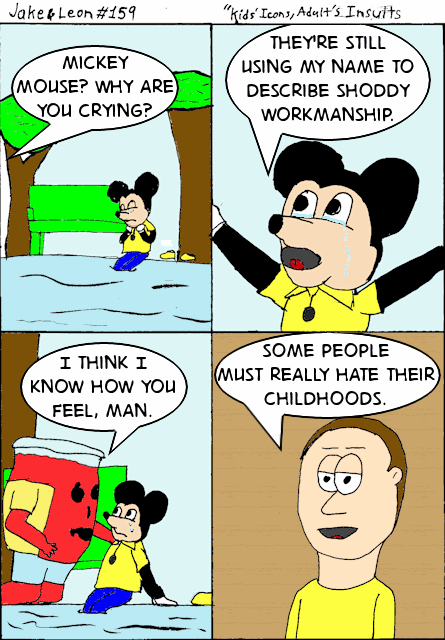
I’ve never understood why a shoddy piece of work is tied to Mickey Mouse with phrases like “Mickey Mouse” operation, when you look at the quality that went into Disney’s work, including Mickey Mouse shorts. It was one of my grandfather’s early introduction to America when he came from Portugal, and kid me who didn’t know any better had to keep telling him not every cartoon was “the Mickey Mouses”.
Walt left a legacy
Look, Walt Disney wasn’t perfect. Ask the writer of Mary Poppins. Every story needed a happy ending, because that’s what Walt sold, but it did mean some stories, including public domain stories, the edges they were given for a reason–and yet his movies still had sequences that could scare the daylights out of you. We’ve discussed innovations that were used for years, and some that are STILL in use, or making a comeback. He forgot to give Ub Iwerks the credit he deserved and almost lost him. Walt Disney Pictures inspired many animators to pursue it as a career. He showed that cartoons can make us laugh, cry, fear, and celebrate along with the characters just the same as any live-action work.
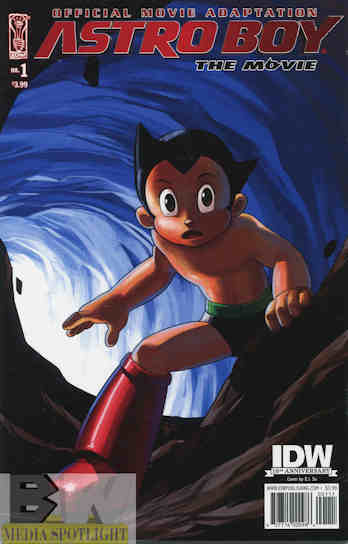
Too bad Japan seems to be the only ones to take that lesson to heart. You can thank Osamu Tezuka, who was one of those inspired by Walt, and would become the godfather of manga, which in turn influenced anime; basically Tezuka is Japanese Walt Disney creative-wise. Here in America they still look down on animation, which is why the celebs got upset when the cartoons threatened to upstage the “superior” work they did, while only voicing animated works so they could make something their kids would be able to watch. This is where modern Disney is, hoping to win that Oscar without offending the actors at the expense of their animated legacy.
When they do make cartoons, and I’m not slamming CG though I wouldn’t mind seeing traditional animation make a return from the company that innovated it, it tends to be soulless corporate garbage or the result of someone’s social agenda rather than trying to tell a good story. Again, went over that earlier this week. Walt Disney left a legacy of creativity, magic, and childhood wonder that even the parents caught wind of. Bob Iger on the other hand has left a legacy of failure and failing upwards, absorbing other studios like the Borg to eliminate competition, making him more like the guy who screwed Walt Disney rather than Walt himself, and wasting money, prestige, and the reputation of the company he fought to continue controlling with dirty tricks and ever waning results. He only got rid of Ike Perlmutter and Nelson Peltz, two people who dared challenge his greatness, because they deserted a sinking ship…only Iger is the real rat here. Ask Bob Chapek.
If today’s Disney has any hope of succeeding it needs to go back to its past, remember what the Disney brand used to stand for, and get back to creating and innovating how animation tells a story like no other form of media. If he keeps failing to do that, failing is all he’ll ever do. Bob Iger could learn a lot from Walt Disney as he continues to destroy everything Walt built. It may have started with a mouse, but it’s ending with a fool.



 BW Media Spotlight
[…] I say that this movie is the biggest example of Disney’s current failings. As I went over in the article comparing how Walt Disney started the company and Bob Iger is ruining it, Snow White And The Seven […]
LikeLike
[…] What Today’s Disney Can Learn From Walt Disney: What is the modern Disney company doing wrong that Walt Disney did right? Pretty much everything. That’s why he succeeded and they keep failing. […]
LikeLike
[…] recommend a History Channel miniseries if you can access it: How Disney Built America. (I did an article about Walt’s legacy after watching it._ Walt did for animation what George Lucas did for […]
LikeLike
[…] it could be something, even if it isn’t the biggest thing ever that gets you all the money. That’s how Walt Disney built a media empire, taking risk after risk and now his company is the hands of people who disagree with everything he […]
LikeLike
[…] towards business than storytelling, or that was my impression of both. While I’ve gone over that Walt knew business to a degree he cared more about storytelling than the business, certainly more than current CEO Bob […]
LikeLike
[…] this is modern Disney, and as I’ve gone over many times they don’t care about classic Disney or Walt’s legacy. Wish was probably more of a “we kind of have to” situation, an obligation they would […]
LikeLike