

Let’s see, what was tonight’s topic…oh, right.
Amnesia is one of those things writers have never understood, like computers or the hueh-mans. I’m pretty sure any doctor will tell you that the solution for losing your memory after being bonked on the head is not to do a second time, accidental or otherwise. I don’t know a lot about actual amnesia so I don’t know what causes it or how you actually cure it, if ever. In Hollywood, that’s the typical cure. I decided to look up “amnesia” on Tropopedia, Fandom’s wiki for tropes. It led me to a collection of “memory tropes“, which listed among all the tropes over twenty types of amnesia types, not counting faking it.
So what I’m going to is just list all of these types of tropes with a short summary and link to their full articles on the subject, then go over some examples of how this can and can’t work. I may end up grouping things together so this isn’t a superlong list, but I’m writing this before going in blind just to see what I get out of this. I didn’t think there were that many types of uses for amnesia in stories, but I bet the cure in stories is not the right cure. It can be an amnesia episode of a story, or the plot of the movie/game/series concept. I’ve seen it done to explore the inner goodness or evil of a character, to cause a trip down memory lane for clip shows and the like, to flip the good/evil switch, and even meeting the character as an amnesiac either to set-up a mystery or to forget they set-up a mystery and just make it part of their personality.
Since “Trope Shark” is about simplifying the pile o’ trope names I’ll group things together where I can. The goal is not to overwhelm but give a basic overview of how amnesia is used in fiction. Basically, I looked it up so you don’t have to and bring you the cliff notes on this one. Even then, you can scroll to the divider if you get bored and just want to get to the point. I fell down this rabbit hole and while you get the jetpack, you’re still coming on this ride. At least this short-ish version will be easier to absorb. This is one trope with a lot of divisions.
Amnesia In Meta Name Only: The fun thing with trope names is that they’re just meant to give anyone studying tropes an idea of what this often used storytelling tool is. So they call it amnesia in the title but it has nothing to do with the characters actually getting amnesia. For example, first on the list is “Aesop Amnesia“, but all it really means is that the story gets amnesia and forgets it’s own lesson by the next episode to keep the episodic status quo going. For the purposes of this article I’m focused on the characters getting amnesia and how a story builds around it, so the next two paragraphs are a catch-all for all the meta uses of amnesia as a trope title:
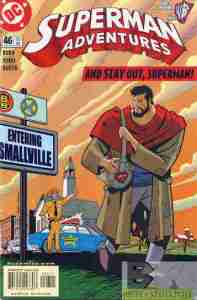 For example, “easy amnesia” just refers to how easy it is to get amnesia in a story, and is basically how Hollywood does it. Quick mind-wipe, blow to the head, or aliens using a strong breeze. (I wonder if anyone will get that reference and if you don’t…you’re really not missing out.) “Amnesia Missed A Spot” just refers to forced amnesia not taking hold. “Death Amnesia” just means that you forgot your past life when you come back or you don’t remember the afterlife. Or if you’re still dead Tropopedia calls it “ghost amnesia“. “Victory-guided amnesia” is just the hero winning but some event forces him to forget. I’m thinking that big episode of Dexter’s Laboratory where Dexter teams with his whole family to save the world, but has to zap his parents so they don’t remember his lab, only for Dexter himself to get zapped after learning his universe’s greatest hero was secretly his lab animal monkey, everyone believing Mandark saved the world instead.
“House amnesia” is just the running gag about being so mad you forgot you weren’t in your own home when telling the person you’re mad at to get out. Meanwhile, NPC amnesia is just a game mechanic, so you can do multiple sidequests or have another shot at getting into a place requiring the guard to not recognize you or something along those lines. “Gameplay-guided amnesia” is closer to how amnesia is used in non-interactive stories, forcing the player to learn their game powers or their past to move the story along. It explains why you can do things you forgot you could do until the game is ready for you to have those abilities. It also works for non-interactive stories, so the protagonist doesn’t immediately save the day. I’m thinking Sister Mary Amnesia (fittingly and I had to work her in here somehow) and how she ends up saving the day in Nunsense. I got to see that live in the theater it started from, Seven Angels Theater in Waterbury, CT, with the original Mary Amnesia and it was hilarious. The second one I’ve only seen on TV, with Rue McClanahan from the first TV recording as the Mother Superior. Apparently there are more and now I want to see them.
Trauma-induced Amnesia: Like it says, an event is so tragic your brain can’t handle it and forgets the whole incident. I’ve seen it done in a lot in M*A*S*H*, because it’s a favorite in action stories and war dramas. This and the blow to the head, which oddly doesn’t have its own trope name, are the favorites along with good of’ fashioned mind wiping.
Amnesia Danger: Now we’re talking, and it’s a cheap tool. The idea is that the hero has forgotten either an important detail or their own history so that they can get their memory back just in time to save the day. The examples in the posting tend to have of mind wipes, and is there more for the drama than anything else. It also mentions the original Ms. Marvel not remembering her activities as a superhero the same way as Green Goblin, and I would add in Bruce Banner not remembering what he does as the Hulk or DC characters like Star Stapphire and The Thorn forgetting what they did in their alternate identity. I don’t know. That sounds more like a split personality thing than amnesia.
Amnesia Loop: Any amnesia type on this list can be combined with another to form how amnesia is used in a story. For the Amnesia Loop, it’s when the character gets deja vu because they already went through this investigation but for whatever reason forgot about it. One of the extreme examples on the list is Eternal Sunshine Of The Spotless Mind. While I haven’t seen it myself it sounds like someone keeps getting into bad relationships, has their minds wiped because they can’t handle it, and then makes the same mistakes again. Some people do that without losing their memories.
One of my favorite examples that I can vouch for is an episode of Star Trek: The Next Generation where the entire ship willingly undergoes another trope, “laser-guided amnesia“, or purposefully selective amnesia like you see in the Men In Black franchise “neuralyzer”, to protect the ship but does a lousy job of it and starts seeing that events happened they forgot and start getting panicky about it. That’s closer to the aforementioned “missed a spot” but then they get it right the next time. In the Men In Black stories the agents usually come up with some plausible rework of events and clean things up to go along with it.
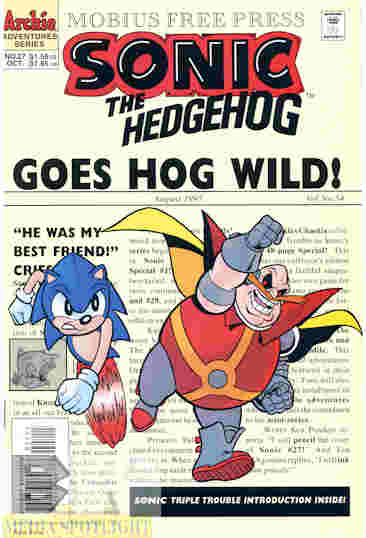 Your new life: I’m combining a few here that show up in conjunction. The idea is that good becomes evil and evil becomes good, which may or may not be undone later. “Amnesiac Dissonance” could be the overall name for this. This does raise the question as to whether you can be punished for the actions of the person that is no longer you because “amnesiacs are innocent“. There’s a great episode of Babylon 5 that studied that when it was learned criminals were being “reformed” by having their memories rewritten or expelled, what Tropopedia calls “identity amnesia“. Then there’s the question of what happens when you remember your old life but are happy with your new life, or you get mad because you were mindwiped without permission, like Dr. Light in that terrible Identity Crisis story when he learned of his retcon and forgot he used to be Rapey McRapepants. They may realize they forgot something, aka “wistful amnesia“, and I’ve seen stories where the subconscious mind will induce deja vu or make them dream of those old events until they recall them.
Taking advantage of amnesia: The “amnesiac liar” can be done for good or evil purposes. Somebody knows who you really are and takes advantage of you not knowing to get them on your side, marry them, and other things the would-be con artist knows they wouldn’t. The movie Overboard had a snobby heiress lose her memory when she fell off her boat and the dude that found her just happened to be someone she snipped at earlier. So he convinces her that she’s his wife and to help take care of the kids. As far as I know that ends up happily because it’s a romantic comedy. There have been more than one Batman story where this has happened to our heroes. One time, Catwoman convinced him that he was her crime-committing partner Catman (no connection to the actual DC villain) but his inner goodness kept showing through and eventually she hated herself for it. That’s what they call “criminal amnesiac“, and the hero may regret his actions later (Silverbolt in Beast Machines) or go for the “amnesiacs are innocent” approach. Alfred did something similar in main continuity to keep Bruce from being in pain due to his parents’ death and his life as Batman and got called out for it.
So after all that, is this a good trope? Like with many tropes the answer is “if done right, yes”. There in essence two uses of amnesia in fiction (and after writing all that), either to put a known character into a different situation or to have a new character with a mystery around them. Sometimes a whole world like the afore hinted A Wind Named Amnesia or a better use The Big O, as the human race tries to recover their past or some past self. It can give you a way to explore various characters or themes by using what we know and exploring “but what if this happened”. In acting, the actor/actress has a chance to push their acting skills by acting as a new character for an episode or two.
The problem comes more from how amnesia tends to be introduced or resolved. Blows to the head are the more favored method. Get blasted, lose your memory, gain it back by the end. This usually leads to another blow to the head, which is just silly. Your brain isn’t some old picture tube era television that just be smacked on the side and work again. Villains or experiment backfires resulting in amnesia is probably better, but that has to be resolved by breaking the spell, getting blasted with the ray in reverse (which can be as dumb as the second noggin masher), or shear force of will, usually in the form of love for their friends, family, or mate/love interest. These tend to be the sillier parts of an amnesia story if you need to reset the status quo.
For the characters we’re meeting sans memories, the story is piecing together their lives. For laughs you can blame alcohol or drugs, like the Hangover franchise or Dude, Where’s My Car. In my favorite webcomic, Sean Wang’s Runners, the character Sky has no memory of her past, and the comic recently dropped a huge bombshell on that. In other words, how they got amnesia is just a means to the ends, and sometimes so is how it’s undone. It’s the act of being an amnesiac that is the point of the story, though thinking about the how couldn’t hurt.



 BW Media Spotlight