
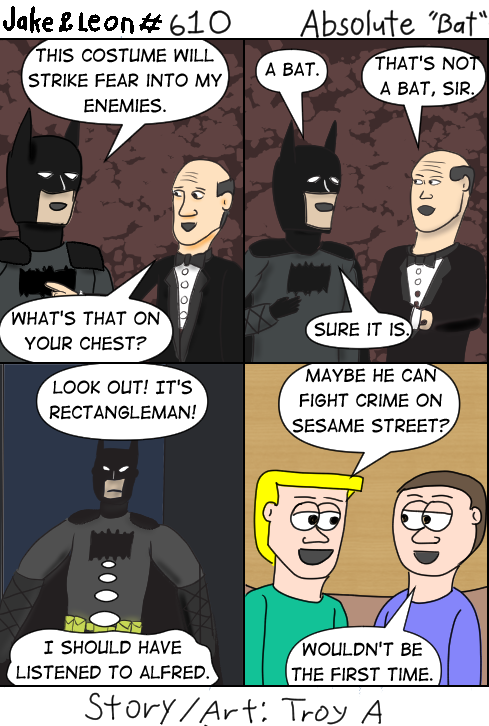
I’m also not impressed with the glove straps.
A recent article by AIPT’s comics side features Scott Snyder discussing his current Absolute Batman series. We’re going to have to agree to disagree on this because the whole Absolute DC imprint is just not for me. It’s a version of the DC multiverse created by Darkseid, so it lacks in the hope department. I’m just not into that. He enjoys making it, fine, and it has its fans, but it’s just not the Batman I want to read. Plus as you can guess from the comic, I don’t care for the logo or the outfit in general.
It’s one portion of this article that I want to focus on. The full title of the article is “The Absolute truth: Scott Snyder on rebuilding Batman and why comics matter more than ever”. (Missing a few capital letters, David Brooke and his editor.) It’s that second part I do agree with him on. As a defender of the monthly comics, I recognize the current problem is that they aren’t written like monthly comics anymore. For some reason both DC and Marvel failed to understand that trade collections only sold because it was a special event or a collection of stories of a particular character, creator, or time period. Such long stories don’t stand out when that’s all you have. Now you’re writing for the trade and at that point you might as well just be writing a graphic novel and releasing it every few months.
That’s not what made comics popular. Those monthly done-in-one stories were a good casual read. You pick one up before you get on the train or have lunch or something. Kids (remember kids?) would pick up an issue a month and have something fun to read before even the superhero stories became to disturbing, but that’s another conversation. Even for adults, the horror, crime, romance, and other genres that cater to older readers were something to pass the time. Soldiers would carry them because they were easy to bring along in their backpacks or get through the rough day of battle or combat training. When continuity came into the comics, it was a reward for picking up the issues each month and allowed a two-part story or the OCCASIONAL big event as well as connect titles of the same publisher together, acting as ads for another comic they publish. You like seeing Superman team-up with the Flash? Maybe you want to check out the Flash’s comic.
So what does Snyder have to say about the monthly comic?
Snyder sees Absolute Batman not just as an important, relevant story, but as a statement about comics themselves.
“It’s reaffirmed everything I love about the medium,” Snyder said. “The joy of making people wait each month, of giving them something to talk about — something that hits hard and sticks.”
Snyder believes Absolute Batman, the Ultimate Universe, and creator-owned hits like Assorted Crises Events are signs of a creative explosion in a turbulent market.
“There’s a reckoning happening in comics,” Snyder said. “If we don’t focus on what makes monthly comics special, we won’t survive in a tough economy. So we’re all taking our biggest swings.”
I don’t know anything about Assorted Crisis Events specifically, but I do know that creator-owned works tend towards the graphic novel format because it’s less money for them to put out, and easier to crowdfund, than a monthly comic. One of my dream projects is an ongoing series, though I also have a few ideas that would work better as a graphic novel. It’s tougher for them, especially with the days of the newsrack all but gone, to get a monthly series out unless they go full digital and collect them into trades. They don’t have DC dollars.
Building on the idea if monthly comics, Snyder said these titles are more important than ever before. With binge cultural dominating the zeitgeist, comics needed to collectively get back to basics in order to flourish.
“Over the last few years, there’s been this re-embracing of monthly comic book fundamentals,” Snyder said. “You see more series going for daring, big moments that are gonna get people talking… cliffhangers, reminders of what the characters are struggling with. There’s a joy to making them wait every month.”
 That’s the problem with the current “binge” model, what we used to call a marathon. Marathons were good for catching up or refreshing your connection to an old show while preparing for a new season or just being nostalgic. Putting out a new episode each week or even each day allows time in chat rooms, podcasts, video and written reviews, and social media discussion to help build the interest so that you come back the next week.
However, I don’t know that you need cliffhangers to do that. They can help. It’s how serials in the theaters and television pulled things off. Today we looked at an old Superman comic where you had a complete story and a cliffhanger for the next one. Other comics simply end the story and give a blurb for the next issue. “Superman stopped Metallo, but is he prepared for the latest Mxyzptlk scheme? Because he’s going to rock the city of Metropolis…literally. Prepare to visit…Stone City Chaos! In 30 days!” Something like that. It still makes you curious for the next story but if you can’t get it for some reason you have a complete story here.
He contrasts this with the streaming model, where entire seasons are greenlit and consumed in a single binge.
“With monthly comics, you’re asking readers to buy in again every issue,” Snyder said. “There’s a joy to that — a joy to telling your friends, ‘Did you see what happened in Ultimate Spider-Man?’”
One particularly memorable example? Batman dropkicking a kid off a boat.
“That page came out of a joke,” Snyder said with a laugh. “Nick showed me the scene and said, ‘This might be too much.’ And I was like, ‘No way, dude. You’re keeping that in.’ That’s exactly what we’re going for — over-the-top, outrageous, and unforgettable. You want those moments where people go, ‘What the hell did I just read?’”
I’ve seen that page on Facebook and I have no idea what the context is. It certainly fits a Darkseid DC (or a DiDio DC really…they do look alike). Like I said earlier, the monthly issue keeps you talking for the next thirty days (give or take a day based on how the calendar flows) while the graphic novel is usually a finished story with nothing to continue the conversation while the next volume comes out. Graphic novels take longer to produce, but when you’re writing for the trade, essentially a graphic novel, and a monthly the flow just isn’t the same. You need to pick a lane and stay in it.
The article includes a link to a full podcast of this conversation if you want to hear him talk about Absolute Batman some more (I don’t) and more of the conversation is written there as well. This was the part that interested me. As someone who wants the monthly titles to act like monthly titles again and save the trades for special events or just being a graphic novel, it’s nice to see someone in the business agrees, even if we have different perspectives elsewhere.


 BW Media Spotlight