
Remember this from yesterday? This was the part of the interview with Jim Lee, conducted by Japanese entertainment site Nikke X Trend about his work in DC Comics and it being adapted by James Gunn. All anybody who I saw post about this or in podcasts focused on one section in particular (translation by Google Chrome):
–Japanese comics are now gaining popularity overseas. For example, “Demon Slayer: Kimetsu no Yaiba” and “Chainsaw Man” have been made into movies and are hits in the US. As a legend in the American comic book world, how do you view Japanese comics? How do you analyze the reasons for their popularity?
Lee: I’m quite old (laughs), so I remember the late 1980s, when Japanese manga and anime first came to the US. I read Katsuhiro Otomo’s “AKIRA.” It was translated and published by Marvel. I read it and then bought the laser disc. Then I also read Masamune Shirow’s “Appleseed.” It hadn’t been translated, so I didn’t really understand the story, but I loved the illustrations.
But speaking of “this moment,” I think Asian culture and pop culture as a whole is booming. This is true for K-POP, Korean dramas, and Japanese anime. Young people want to discover something that is uniquely their own. The stories told in Japanese manga and anime are incredibly powerful. I often find myself wondering, “What is missing in Western comics, and why aren’t they able to achieve the same flavor?”
Also, I think manga has an advantage over American comics, which are mostly about superheroes, and that’s where the majority of sales and readers are concentrated. In Japan, it’s closer to “literature,” and anyone can read it, and it’s not just hero stories. There’s a much wider range of genres, like stories about cooking and soccer. You can draw stories from that. So I’m very happy that the manga has been so successful, because it gives me a goal to aim for.
The manga market is bigger than our industry, so the question becomes, “What can we learn from this?”
The question is, “How do we access that?” It’s not just a matter of art style, but a “sensibility” that’s involved. The stories that are successful in Japan are very different from the stories that are successful in the West. What can we learn from that? I think this is a debate that will continue forever. I don’t have the exact answer either, because if we did, we would already be getting the same sales and readership (laughs).
Long quote, I know, and I both combined paragraphs and emphasised the parts that people were commenting on. The rest is for context and the answer to his question is actually in the interview, including this part. Learning what manga is doing that DC isn’t and why it’s working is easy. People have been doing it. However, the problem isn’t just the things manga is doing right but what DC Comics stopped doing right. The US market and how average people connected to comics is different than how fans are connecting with Japanese comic stories. So while there are some things that they should totally be learning from the success of Japanese manga, there’s also some ideas that they shouldn’t because they need to go back to what was working.

Photo by Melike Benli on Pexels.com
Stop treating comics as “collectables”
Lee notes himself that in Japan comics are treated like literature, like stories, and not something to collect with variant covers, slabs that keep you from reading the comic to keep it in 9.8564¾ mint condition (if only people didn’t breathe in its general direction in the comic store for that one hour before you got it), and covers that look pretty on a shelf but tell you jack about the story inside. Comics aren’t posters. They have stories. They have (hopefully) good characters, amazing adventures, and even more cool art that you can’t see if you can’t read it. DC (since we’re focusing on them, but Marvel and other comic companies have made the same mistakes) used to play to speculators, who are now starting to realize that just being a “#1” isn’t enough…not that it stops them from rebooting the numbering before it gets to three digits. Two seems like a scary thing lately.
When comics left the anthology format that manga still uses in the magazines they come from, the covers started selling the story inside. With art, narration, and dialog you got people interested enough in the story that you picked it up out of curiosity and hopefully bought the comic to bring home and read. When manga uses a static cover, it’s because it’s taking cues from books, but they tend to be collections of stories that were in magazines. (I’ll come back to this.) US comics, the periodical style “floppies” that comics began life as thanks to being conceived by magazine publishers looking to get more use out of their presses, come out monthly while the manga we get in the west are collected stories and are using their artwork for the cover. It’s artwork that better fits a graphic novel because it is one. Even then, Japan treats it as a book instead of “just” a comic. Books are read. They have to be. There are no pictures, but in comics you still have to read the dialog, narration, and sound effects to know what’s going on. It’s why I refer to them as a hybrid of visual (TV) and prose (novels). It’s literature. It’s art, just as much as shows and regular books. Act like it.
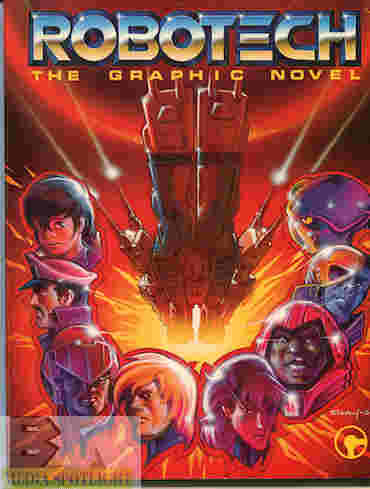
Manga & Comics versus Graphic Novels & Trade Collections
There is one thing DC is doing that manga does, but it does it poorly. The manga we get in the US are trade collections. Japan puts out various comic magazines in the same style as the old Golden Age anthologies, with numerous stories per issue. It’s just those stories continue in the next issue, which Golden Age comics rarely did. (And the ones they did that I’ve reviewed so far I can’t say I’ve enjoyed despite loving the old movie serials they emulated.) If they did, it’s because they were reprints of comic strips like The Phantom or Buck Rogers that had three panels of black and white story Monday-Saturday and a bunch of color pages on Sunday that might not even be the same story as the black and white strips. While America abandoned that for the monthly comics you can still find collections of comic strips in a bound format. They’re about to put one out for the old Star Wars newspaper comics set between movies.
So that’s how Japan does trade collections, like we use to. The reason they don’t come out for months at a time is that they’re waiting for enough pages of the weekly magazines to form enough chapters to create the digest sized graphic novels we get. Mangaka (Japanese comic creators) write for the magazine, then their stories are collected separately in the trades we get to see them as. There have been attempts to bring the magazines over, but they don’t do as well as the collected stories. DC on the other hand started writing for the trades. Some higher-up at DC Entertainment or (probably by accident) Warner Brothers saw that trade collections were selling, didn’t understand why, and insisted every story from now on had to be collectable as a trade. I’ve discussed before how that essentially killed the original graphic novel, but it also ruined the monthly comics, which people bought to pass time and wanted a quick read on the train, during lunch, or in the waiting room as much as the people invested in the longer universe who came back every month They went to comic stores to make sure they wouldn’t miss it on the spinner rack at Stop & Shop…who no longer carries comics because they don’t serve that casual audience anymore.
You can still collect stories as a trade like the manga do, but trade collections used to be for the bigger events that are harder or more expensive to find in the back-issue bin. These were the Crises, “The Judas Contract”, or collecting the first appearances of a certain character or best stories of a certain writer/artist/team. The trade collection in the US were important things. Now it’s just what they’re written for, causing some fans to just wait for the trade collection since that’s how the story is meant to be read. Meanwhile, you can read manga casually with other stories each week OR collected afterwards in a book and still get the intended reading experience out of it. Write your story for however many issues you need whether it’s one, four, eight, or half a comic requiring a back-up to make the page count, and worry about the collection later. Get fans invested in the monthly releases, save the trades for special occasions, and if you want to write a graphic novel length story, miniseries, or one-shot special, just write those. Treat your monthly series as a monthly series and let the graphic novels and miniseries do what they do best.
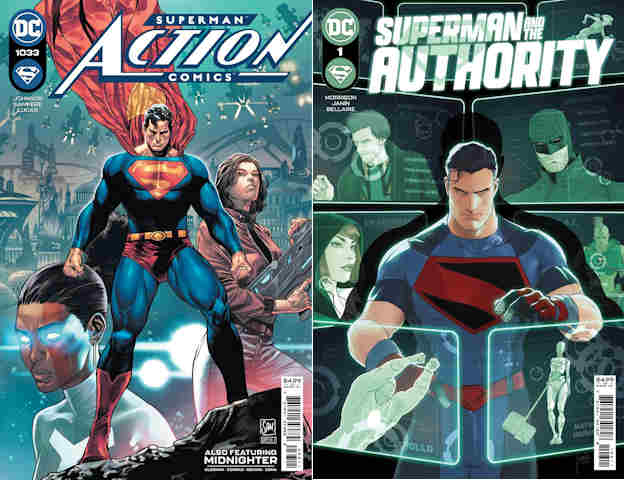
Stop making so many titles for one character
Superman’s popular, but does he need five different titles a month all to himself? Goku appears in Dragon Ball along with his friends. He doesn’t have five other books on his adventures, a Vegeta solo series, and a romance story starring Krillin and Android 18. Yes, you will get a “side story” or a breakout character moving on their own, but that’s rare. Rock Lee got a fun little comic away from the regular Naruto series for example, but while Japan will also milk a property for all it’s worth (which is why we still have a Dragon Ball comic after its creator retired, then was forced to return, then passed away) it’s about as rare as US TV having a spinoff.
You can have spinoffs. Supergirl should have her own title, as should Steel and the rest of the Superman family. There’s a market for bringing back Jimmy Olsen’s wacky solo adventures besides Sasha Woods of Casually Comics. However, put Superman on one title and maybe make guest appearances in other comics, or in group titles like the Justice League comics or Action Comics (which would make a good quicky anthology comic for the Metropolis heroes and do the same for Gotham City with Detective Comics–great for character that have fans but not enough to maintain an ongoing solo series). It would be less confusing for the reader trying to create a proper timeline (points to self) and not having so many voices at once on one character competing to be THE voice of the character and the current direction. It would be a lot cleaner for the creators and a lot cheaper for the comic fans who want to keep up with Superman but can’t afford five solo titles, team comics, cameos, crossover events that need 35 books just to keep up, and a miniseries that might not be in continuity but can you tell?
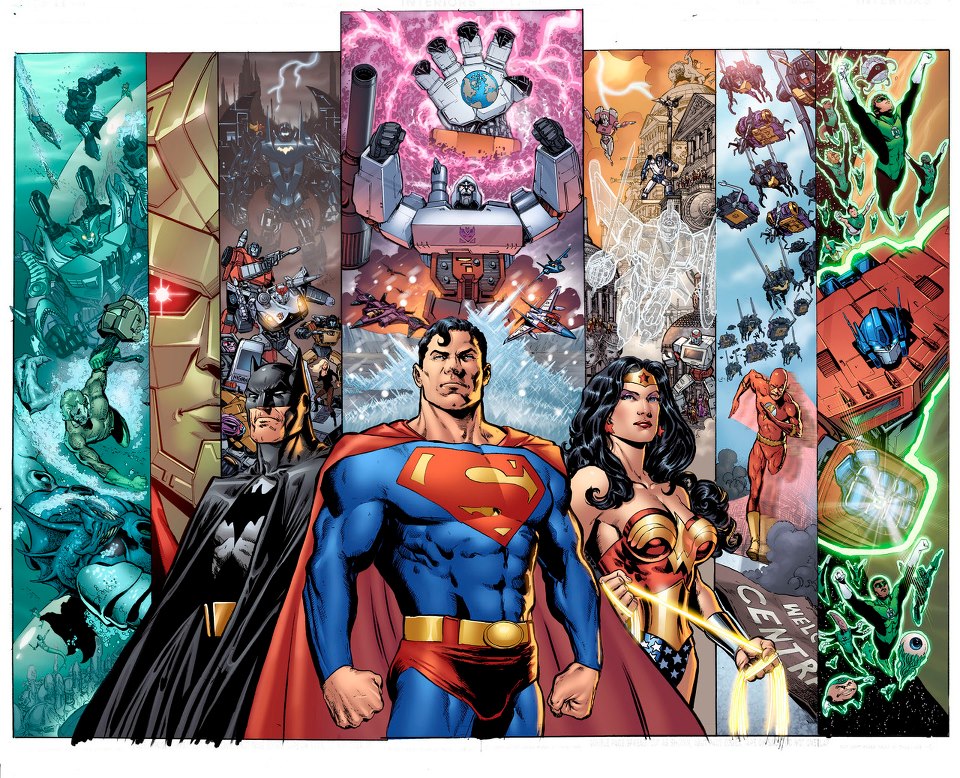
Yes, this almost actually happened.
Variety Is The Spice Of Life!
If you don’t know I love superheroes, welcome to my site for your first visit. Hope you like what you see. I’m not complaining about the superhero comics or the shared universe (when done right) at all. I want this to remain the heart of DC Comics’ output. It’s what brought them to the dance, but there used to be others in the car coming over. Warlord, Amethyst: Princess Of Gemworld, Sugar & Spike, Stanley & His Monster, licenses ranging from Jerry Lewis to MASK to Star Trek were all options, some even when I was a kid. DC used to have more variety in what they were making, possibly to avoid another superhero fallout like the Silver Age had despite superheroes not being the only comics out even then. Look at the Golden Age anthologies alone. Crime stories, science fiction, magic, the early days of fantasy, high seas adventure, horror, romance, sports stories…all available for people in something other than costumed crimefighters with or without superpowers.
And that’s what you get in Japan. You still get superheroes that we in the West would be more familiar with thanks to My Hero Academia or Tiger And Bunny, but there’s also science fiction, science fantasy, romantic comedies, slice of life stories, the end of the world in both bloody violent and simple exploring forms, the rise of “isekai”, time travel, horror…the list goes on. Instead of the eighth Batman story, only this time set in high school and having no real connection to Batman, just make a story about kids in high school in one of your imprints.
It doesn’t have to be set in the main DC universe, but it could be. Gotham Academy showed us how kids in that universe would life, and they could try that Gotham PD centered comic again where they handle normal and abnormal criminals too normal to require those cave dwellers in the funny costumes. Have character meet, say, Bruce Wayne but not Batman and get an idea of how character view the heroes, while having that merely the backdrop and not the center theme. Or divorce it from the DCU entirely and let Batman do his own thing. Maybe bring back the world of the teen President (although with today’s writers I’m not sure that’s a good thing) or do an Adam Sandler comic (someone would read it…maybe…not me), or bring back Vertigo, the place where Swamp Thing left for a while before John Constantine followed him back into the regular DC universe after Vertigo was shut down.
Indie comics in the west show there’s a market for this stuff from a perspective American readers would be more familiar with. Now’s the time to do it. Don’t just complain that it’s not being done. YOU MAKE THAT DECISION, JIM! That’s your job!

Well, he stopped you from being robbed, murdered, or being blown up…except for that last part.
PUT YOUR @#$%#$% STORIES FIRST!!!!
You want to know the real reason manga is kicking your butt, Jim? Because they don’t get bogged down in politics, extreme stereotypes being used to badly represent the entirety whatever group someone is trying to show off to or use as shield against negative criticism of weak stories and boring characters. The story comes first. The characters are influenced by the story and that same variety I was talking about includes variety of thought. The character and his/her views are presented, the audience decides if they’re good qualities or not, and those views only exist to have them do something different in the story. Nobody’s showing off to people aren’t going to read the comic anyway. In Japan they have only one real audience: the Japanese people who actually like reading manga and are part of their audience. They aren’t trying to make the One Story To Rule Them All or play to people who look down on the genre. They aren’t making money off of that. They only sell to people off the island because they happen to also enjoy the stories already being made, and don’t need to represent “them”.
The publisher may want to license the story for merchandise or other media formats but the creators are there to make comics. They write, they draw, all for the medium they love to work in. I don’t need DC Comics to have one person take on all the roles. It doesn’t make sense for a good monthly comic and allows people to work on more than one, mostly writers who can work faster than anyone on the art team because they have the easy part in comparison. I’m also not against someone doing the whole thing if they can get the end product out on time looking and reading good enough for their audience. However, you can’t make something with the goal of having it become a movie or video game character. The goal should be to make a good comic, let fans find it, and if they really like it you can consider expanding their reach. Marvel making movies and shows based on characters or runs nobody liked in the comics is a rather dumb idea. Don’t make the same mistake. Don’t have writers hoping to make a character they can make revenue from long after they moved on. Have them make a good character for the purposes of making a good comic story and properly earn that revenue or fame they can bring to their next project, even if it’s a solo funded indie project.
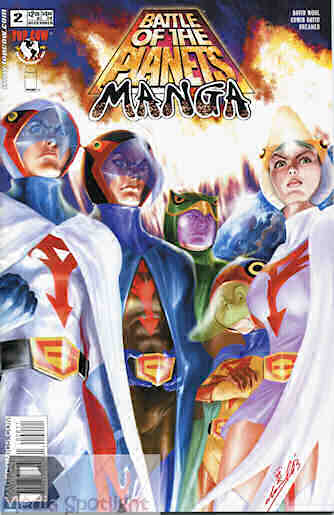
It’s not even a case of learning from manga. All they’re doing in Japan is taking what American comics used to do, give their own cultural spin, keep making them, and reaping the rewards of people seeing good stories in the ways comics can tell stories that other media can’t. They embrace the casual audience and the die-hards. They take care of every gender and age group–and even some that multiple demographics can enjoy. They don’t play to activists who couldn’t care less about those “silly comics” (wish we couldn’t say the same for some localizers). They aren’t ashamed of the genre they chose because multiple genres are an option. And they know how to distribute their stories to people who want them.
These aren’t things Japanese publishers came up with, these are things they took from us and just kept on doing it and evolving it. It’s not a lesson in another culture’s success you need, Jim Lee. Just a history lesson in how you used to do, because they still do and it seems to work for them.


 BW Media Spotlight