
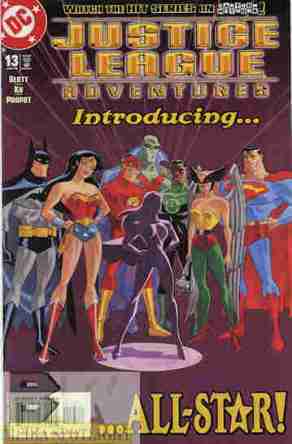
It’s no secret to anyone who’s been on this site that I love superheroes. Superheroes are awesome not because of what they can do. The supervillains can do that stuff, too. What sets the superhero apart is right there in the name: hero. With all their great abilities they seek to make the world better, and the best superheroes don’t see themselves as gods but people with special abilities and doodads that they use in service to humanity.
From comic books to cartoons I’ve grown up with the superhero. Whether DC or Marvel or some indie comic, Hanna-Barbera or Filmation and later Ruby-Spears, there is not been a point in my story-loving life that I haven’t seen superheroes, as I mentioned yesterday. What makes a hero a hero beyond the idea of saving others, and how does that translate to the super variety? YouTuber Shady Doorags recently posted a review of the Justice League episode “Legends”. The series was intended to be hour-long episodes but Cartoon Network told them to make them half-hour, so the scripts had to be worked into two-parters…that Cartoon Network aired back to back as a full hour anyway, just in case you thought scheduling from the stupidity range was something started with Teen Titans Go!. In the following video, Shady goes over the tale of Green Lantern John Stewart, The Flash, Hawkgirl, and Martian Manhunter finding themselves in an alternate dimension where John’s favorite comic book comes to life. Not the first time this concept has happened, even when fictional realities meet other fictional realities that are fiction in the first fictional reality.
Good luck translating that sentence. Point is it’s not a new plot but one that has opportunities when done right. “Legends” is just such a story, but I’ll let our guest speaker do the talking before coming back with my thoughts.
My response from the comments:
I grew up primarily in the 1980s (since I didn’t pay attention to stories until I was like…7? 9?), where I didn’t just have superhero comics but superhero TV shows, movies, and serials both new and reruns. They were larger than life, but supervillains also have powers, gadgets, and cool costumes. Where the superhero stood out is what they did with them. They helped people. They saved lives. They stopped bad guys. Sometimes they even saved bad guys because all life is precious and teamed with bad guys against a greater evil because saving the world (or their part of it) was what mattered, even knowing the villain could turn against them at any moment.
As a bullied kid (mine were more psychological than the physical bullies you see in stories) seeing someone who wasn’t as shy as me, who knew what to do and just needed to figure out how to do it…which they did in the end, and believing in being good to others even when they didn’t agree on things impressed and inspired me. That’s why I love superheroes so much and think this whole “superhero fatigue” thing is nonsense. Right now only preschoolers are getting superhero shows where the supers are heroes, and I’m at least glad they’re getting what the rest of us are missing out on and kids between preschool and adult aren’t getting at all. Fiction matters because it can inspire us to push back against the so-called reality and try to be like or better than our heroes. It shows us how to live, and when it doesn’t it does it wrong to the detriment of the culture and society.
When Zack Snyder says “if you think superheroes wouldn’t kill you live in a fantasy world”, you’re writing a fantasy world. It also reminds me of Superman fighting the Elite and his line about how dreams make us better and until his dreams of a better world becomes reality he’ll keep on fighting. We need superheroes for a lot of reasons, but inspiring us to be better people is my number one reason. Plus they’re just so darn cool! 😀
(Otherwise, just everything Shady said about superheroes.)


 BW Media Spotlight