
Sadly, we live in interesting times.
Netflix, the former mailaway home video rental service that killed the home video rental industry by putting the stores out of business and then moved to streaming when technological advances of the internet allowed for decent quality videos without tying up the landline telephone for hours, now will do the same thing to the movie theater. At least if you ask Hollywood. Sure, it’s not like Netflix co-CEO Ted Sarandos has been subtle in his goal of ending the movie theater experience, thus bringing more people to Netflix. They practically all but ended physical media, which Hollywood studios love because it means they can get more money out of you like they do in theaters since you have to keep paying or get them ad revenue through streaming like they can out of movie theaters.
On the other hand, it wasn’t a single company operation. Hollywood itself did their part in ending interest in the theatrical experience. It just isn’t the reward it used to be with technological advances and rude people, plus the quality of the movies themselves, I find it funny that Netflix is opposed when nobody had a problem with Disney doing the same thing. It’s all about the theatrical experience. These directors, actors, and producers were taught that the theatrical movie experience was the top of the media pecking order, especially in live-action. So now Netflix is being poised as the scapegoat when the theaters close for good. Look, I’m one of those people raised to see the movie theater as a reward. I have good memories of going to the theater with my parents or my friends, and my grandma took me to see The Muppet Movie in theaters. I remember always wanting to visit the drive-in I saw from the highway leaving my grandparents house, and my parents surprised me by taking me there for Star Wars…and then I fell asleep during the Star Destroyer going after Princess Leia’s ship because I was that young. I saw the second movie in theaters before the first one. It was still cool getting to finally see The NeverEnding Story in the theater as well as The Transformers: The Movie. Nowadays more than streaming is responsible for the end of theaters as the go-to experience and no matter who ultimately wins Warner Brothers (Skydance is now trying for a hostile takeover, going after all of Warner Brothers Discovery, believing they were robbed by David Zaslav), but the Hollywood mindset is not prepared for the real world.
Jane Fonda recently restarted her father’s “Committee For The First Amendment“, which was originally created to combat Joseph McCarthy but now was being used on Donald Trump after the false accusations that he was responsible for Jimmy Kimmel’s vacation “censorship” in the backlash to his Charlie Kirk comments and the continued decline of the late-night talk show. That’s in addition to Steven Colbert’s Late Show also being canceled over mouthing off on his bosses for paying off Trump ahead of it’s own Skydance merger by parent company Paramount. In a recent op-ed, Fonda was concerned about either party, Netflix or Skydance, merging with Warner Brothers and consolidating studio power.
Regardless of which company ends up acquiring Warner Bros. Discovery or its parts, the resulting impact is clear: Consolidation at this scale would be catastrophic for an industry built on free expression, for the creative workers who power it, and for consumers who depend on a free, independent media ecosystem to understand the world. It will mean fewer jobs, fewer opportunities to sell work, fewer creative risks, fewer news sources and far less diversity in the stories Americans get to hear.
For actors, writers, directors, editors, designers, animators and crew already fighting for work, consolidation will lessen the overall demand for their skills. And when only a handful of mega-companies control the entire pipeline, they gain the power to steamroll every guild — SAG-AFTRA, the WGA, the PGA, the DGA, IATSE, everyone — making it harder for workers to bargain, harder to stand up for themselves and harder to make a living at all.
Funny, where was she when Bob Iger and modern Disney was absorbing as many studios as they could like the Borg? Marvel Studios, Lucasfilm, and the former 20th Century Fox, giving them such a strong majority on Hulu that NBCUniversal abandoned the project to them, were all consolidated to boost Disney+, their own streaming service. That’s led to less movies being put out as Marvel Studios, who used to distribute through Paramount after Marvel Comics having licenced characters in the 1990s during their bankruptcy to Sony and 20th Century Fox. Also, Lucasfilm distributed through 20th Century Fox for Star Wars, and Indiana Jones movies through Paramount. Disney could only afford to put out so much each year when their focus was on Disney+ and overblown movie budgets putting spectacle and social pandering above storytelling, given to people who didn’t care about the source material except as a way to get their “better” stories produced.

Does anybody even care about the awards for movies they didn’t see? Photo by Mirko Fabian on Pexels.com
The rest of the op-ed goes after Trump for Colbert and Kimmel, despite the late-night talk block (another status symbol of Hollywood along with the failing award show scene as people see it for the ego trip it always was) has itself been killed by social media offering unscripted interaction with celebrities, often for the worse, and partisan politics that the late Johnny Carson worked to keep out of his show while doing monologues about politicians. She also went to her Instagram to protest the Netflix deal. From Variety:
Jane Fonda is speaking out against Netflix‘s earthshaking move to acquire Warner Bros. Discovery, calling the $82.7 billion deal a “catastrophic” development that threatens to “destroy our creative industry.”
Fonda released her statement against the acquisition on Instagram through her Committee for the 1st Amendment organization. She wrote on Friday, “Today’s News that Warner Bros. Discovery has accepted a purchase bid is an alarming escalation of the consolidation that threatens the entire entertainment industry, the democratic public it serves and the First Amendment.”
She continued, “Make no mistake, this is not just a catastrophic business deal that could destroy our creative industry. It is a constitutional crisis exacerbated by the administration’s demonstrated disregard for the law.”
The message asks for Donald Trump’s Justice Department to do the same thing she and others accuse Trump’s FCC of doing and use their power to force this merger from happening. One wonders if she’s be as upset about Paramount winning the bid given how upset they are about CBS News and Trump’s alleged involvement there and with Colbert, but I’ll leave that to commenaters more tied to the culture war that this site, Instead, let’s talk about the theatrical experience.
As noted in this morning’s posted video by The Critical Drinker, the theatrical experience is no longer the status symbol to the people that it once was. Rude attendees riffing the movies like they have robot friends with them (MST3K reference) or paying so much attention to their smartphones that you wonder why they’re even in the theater since so many of them are in the malls they abandoned until Netflix’s own Stranger Things made malls look cool again is one problem. So are the prices. Movie theaters used to have something homes didn’t have in the days before television took over stories from radio, which only survived with music, sports, and news on the go and talk radio call-in shows, and later that television. The large screen, the ability to gather with friends, and just feeling like you were getting something you didn’t at home with big speakers and higher quality video and audio.
That started changing with surround sound, increasingly higher depth televisions, digital home projectors, and streaming since home video only started offering similar experiences to the theater. Now you could make the case that home theaters offer better experiences with a large enough TV or projector (they even make outdoor projectors and inflatable screens the size of the old drive-in theaters stationary ones). Plus, you can pause the movie to get snacks or use the restroom, or even go to bed and finish watching it the next day. Hollywood films ruined by egos, corporate mindsets, and snobbery when it comes to adaptations have also soured people on the experience even before the activists and fake activists get involved. You don’t have to worry about someone loudly talking over the movie unless it’s you and your “crew” gathering to riff on movies or watch Mystery Science Theater 3000 and Rifftrax on your home theater.
People still saw the movie theater as a superior experience out of habit. That changed during the 2020 lockdowns (whether you agree with them or not, it hurt a lot of small businesses, including smaller and second-chance theaters) and both the writers and actors strikes that led to no new movies. People watched old movies on their TV instead, and decided they were better off, since they’re already there. All they have to worry about is Disney+ or Netflix editing them to appease…certain groups who probably didn’t watch them anyway but hate when something isn’t about them and pushing their worldview. So now you have to practically pirate older movies to get the experience those directors were going for because they’re old and age is another form of snobbery.
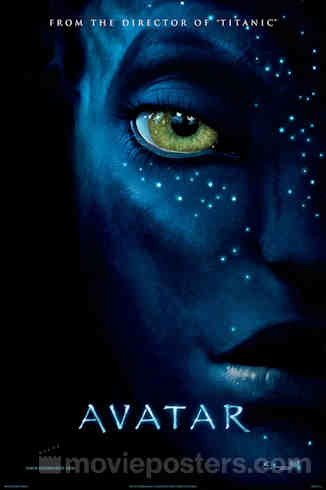
Visuals are the only complement I hear about the Avatar films, while the story is mocked.
Meanwhile, I’m hearing that Netflix is buying Warner Brothers movies, TV line-up, and games division. No word on the 24/7 streaming channels using WB material, or what’s available free with ads on other services, or the animation library, or DC Comics. Zaslav is taking his old Discovery channels, actual TV networks (do THEY get the WB streaming channels not carrying Discovery Networks programming, and how would that work?), including CNN which Skydance apparently really wanted (so just offer to buy that if you don’t care about Cartoon Network or the movies), and that’s all we really know at this point. The future of any new Warner Brothers shows is up there with MGM after being bought by Amazon, another merger Hollywood was oddly silent about, and they still aren’t talking about that or the Disney acquisitions we know was for Disney+.
I just find it all disingenuous. The images got better with IMAX (I’ve never actually been to an IMAX theater, but from what I hear it takes a different screen and projector) and all the CG flash that is about as important as 3D movies, and we know what happened to that gimmick. Gimmicks only take you so far. Many factors ruined the movie theater experience long before Netflix went after Warner Brothers, a company in such bad shape that Zaslav decided the whole “Warner Brothers Discovery” merger was a bad idea. Fonda wasn’t even complaining when her ex-husband Ted Turner was putting together AOL Turner Time-Warner, where the stuff Netflix is getting came from in the first place, depending on what’s happening with the Hanna-Barbera library and DC Comics. Hollywood, the economy, and an ever dividing and uncaring culture is what is killing movie theaters. Maybe their time has come, and Fonda only has herself and her friends to blame.


 BW Media Spotlight