Chapter by Chapter features me reading one chapter (or possibly multiple chapter for this one) of the selected book at the time and reviewing it as if I were reviewing an episode of a TV show or an issue of a comic. There will be spoilers if you haven’t read to the point I have, and if you’ve read further I ask that you don’t spoil anything further into the book. Think of it as read-along book club.
Well, we finally made it to the halfway point of this novel. Our last chapter had the team trying to work out a strategy that will allow them to stop the bad guys and hopefully prevent a crisis this time.
This has been a really long book and I don’t see me reading it again in the future. Jeff Rovin, supposed ghostwriter for this series, is throwing in a lot of trivia that may excite Tom Clancy fans but I really don’t care about. At least this time our heroes look competent. In the first book the Koreans and Op-Center agent in Korea were better than the Op-Center team since they didn’t really get along. This time we’re seeing them work together, respect each other, and act professional while still trying to do what needs to be done without starting another war. I’m hoping this will be the trend for the rest of the book. Let’s see how long it lasts.
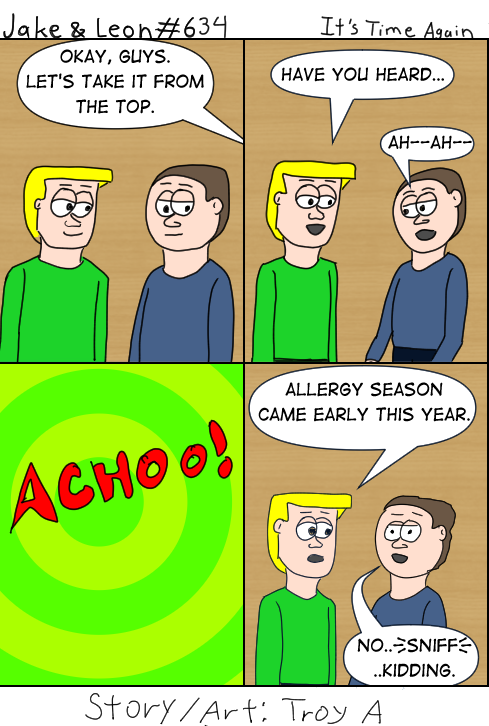
Getting sick really screwed me up this week. I’m also taking a doctor recommended appetite suppressant combo and my stomach feels MORE empty, not less. My body is weird. Anyway, that’s why I missed Thursday’s comic review and feature article as well as Saturday Night Showcase: allergies.
So we’re all done with Judomaster but the pre-DC Charlton characters continue. During the Blue Beetle runthrough we looked at his appearances in the pages of Captain Atom, which led into Ted Kord’s solo series, so it’s a good thing we did. Now it’s time to clean that up and read the rest of Nathaniel Atom’s adventures. That’s in addition to the other comics, the Chapter By Chapter review of Tom Clancy’s Op-Center: Mirror Image, and hopefully I can stop being sick somewhere in that process.
In the early days of this site I tried to do a feature called “Saturday Night Galactica“, going over all the episodes of the original series back when Hulu was a different type of website. It didn’t get a lot of views even by my early standards (and less by today’s, even if I still barely get above 100 because I’m just a little site), Hulu changed the way it did things, so the post series was renamed Saturday Night Theater, now Saturday Night Showcase. I was too young to stay up to watch the show when it aired but I did really enjoy the syndicated reruns when I was able to catch them. I could never get into the Sci-Fi/SyFy series of the 2000s. While it was done more competently than…
…that thing I don’t want to ever talk about again, I could tell from what I’ve heard about it that it lacked the hope and optimism, while turning classic names into “callsigns” (2000s “Starbuck” is Kara Trace, 1970’s “Starbuck” is Starbuck), and just changed everybody I liked into something completely unrecognizable. Why is Colonel Tigh now a drunken white guy and why am I forced to note Boomer is a hottie? Baltar sleeping with Six instead of competing with Six? And where are all the non-human aliens? Even Dave Herber, who is a fan of the reimagined ragtag fleet, realizes the original series did a lot better because it kept that optimism while Glen A. Larson infused some of his Mormon beliefs into the stories, which he goes over in this article at Bleeding Fool.
SPOILER ALERT:This article contains spoilers for the Season 3 finale of “Invincible,” and comic storyline it adapts.
It’s another installment of “Rank Amateur Pretends He Knows Things”, with your host, me.
I cannot and will not be reviewing Invincible, nor do I know anything about Conquest and what his deal is. He’s not the one who raped Mark. I have not read the comics and I have not seen the show for the same reason I’m not a fan of Skybound’s Transformers comics. They’re too violent, too bloody, too dark for my tastes. This does not speak to their quality, it speaks to my tastes in comic and animation. The only Robert Kirkman work I really enjoyed was Super Dinosaur, and sadly that was cut short and given a cartoon that didn’t live up to the comic. I am not protesting anything here.
I did, however, find Kirkman’s latest interview with Variety in a surprising move of treating an animated series like any other series. I don’t expect that from Hollywood and Variety is so tied to the Hollywood culture “shill” is an understatement. It’s a trade magazine primarily for people in the industry and those fascinated by it. I am not here to trash anything he said. I didn’t see anything necessarily wrong. On the other hand, that doesn’t mean I completely agree with his statements.
The interview in question is a discussion about the third season of Invincible on Amazon Prime, adapting a fight between Invincible and Conquest, the latter upset that Mark decided to remain the superhero his father pretended to be. The beat down sounds extremely gory, and Bounding Into Comics,where I found out about this because Variety‘s newsletter through WordPress has been glitchy, shows the full article, and CONSTANTLY RUINS WHO WON THE MASKED SINGER WHEN WE CAN’T GET TO WATCH IT UNTIL NEXT WEEK BECAUSE WE’RE A WEEK BEHIND AND SO IS TUBI! Seriously, guys, when you ruin which costume lost, it’s still a spoiler! Also, why did the first group A character go home two weeks ago? Dad and I both agree [SPOILER] was a better singer than Space Ranger. Sorry, where was I? Oh right, I got a description of the fight and I don’t need to read or watch it. Which is good because I don’t want to.
What I’m focusing on is Kirkman discussing how he approaches the adaptation. Yes, Kirkman not only makes the comic but he makes the TV show, a rare example of the creator getting involved with the adaptation, which something more creators should do with Hollywood. The article also notes that the voices for Invincible and Conquest fought each other as other characters in The Walking Dead, and as Kirkman’s other hit it gets mentioned but is not part of the conversation. What is shows that he makes changes on purpose. Is that a good idea, though?
I was a bit meh on the last issue, but hopefully this issue will improve. This time you’ll notice two links to Comic Book Plus for this issue. I usually just link the one I’m using for the review. Oddly with this issue we have one scan with parts of a page missing and one with the full page but it’s in terrible but still readable shape. It’s a crapshoot to even find these old comics in decent condition, but you can look through both of them and decide which one to continue with. Note that the one with the nicer cover, which I’m using for today’s image, is actually the one with the worse colors. Not sure how that happened.