
Follow events at the Accursed Farms YouTube channel

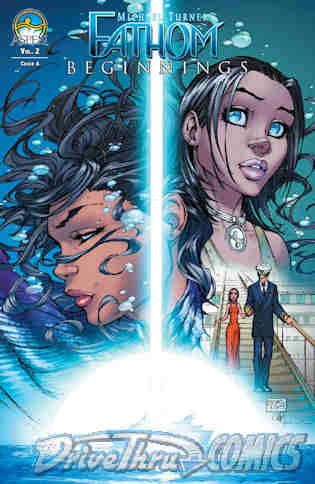
“I think we used the wrong lightbulb.”
Michael Turner’s Fathom: Beginnings vol 2 #1
Aspen MLT (digital copy–February, 2011)
WRITERS: J.T. Krull & Michael Turner (creator)
PENCILER: Koi Turnbull
INKER: Jason Gorder
COLORIST: Christina Strain
LETTERING: Dreamer Design
DIGITAL EDITORS: Frank Mastromauro & Vince Hernandez
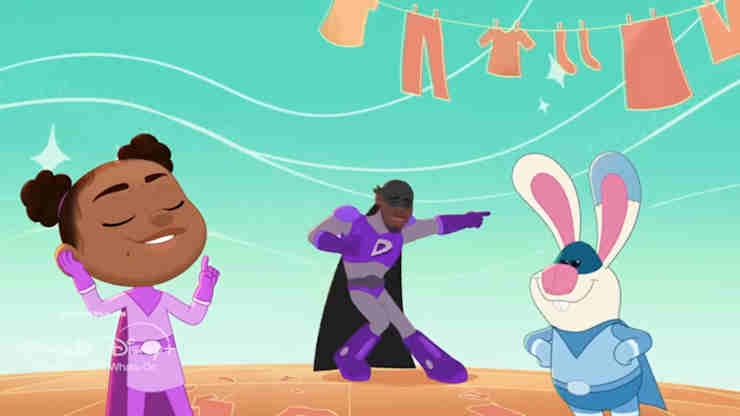
You know, I was wondering how I was going to do my annual Black History Month list of black heroes I either grew up with or think are better representations than the stereotypes their creators insist was the “first ever black hero”. The problem is finding a hook or something in one of my preferred genres, and I’m the only person who treats the hero support as being important. So then this controversy hits the internet and I have my hook. Even I know when to bank on a trend. On the other hand I actually watched the episode, so let me provide some context.
Hey AJ is one of those shows where kids use their imagination to get through some situation and teach both the characters and kids at home some valuable life lesson. In the second story of the eighth episode, “Don’t Mess With AJ”, our plucky young heroine just wants to watch a marathon of her favorite superhero before the next movie comes, but her mom insists she has to clean her room. Since the hero is a self-proclaimed “grimefighter” instead of a crimefighter, she imagines that he helps Super Duper AJ (she’s like 5) and her loyal sidekick Wonder Hare (her stuffed bunny rabbit Theo, because toys come to life in these fantasies) clean her headquarters and learn the importance of keeping her room clean before fighting one of his arch-enemies, the trash-spewing Dumpster.
Said character is Captain Durag (formerly the worse named Durag Man, so smart move changing it), a character who’s identity is based on a piece of “black folks” clothing (as if they alone invented the head scarf), has been seen by even black critics as a “trash man”, or as I’ve called him “ghetto Captain Planet”, and is more about black stereotypes than black culture. He has no superpowers but he does have a few cleaning up gadgets and a declutter method that wouldn’t even rank among the ones I’ve reviewed over at the declutter site I do on the weekends. He also has some killer dance moves for the animation style but he’s not winning any friends on Black History Month, where he made his debut.
So I thought I’d go through and find better examples of superhero shows for the same age bracket whose identity wasn’t based on a piece of fabric. That means no adult heroes in this one, but some ideas of better hero types than Captain Durag Man up there.

“We’re busting out of this comic!”
Sonic Universe #8
Archie Comic Publications (November, 2008)
“Mobius: 30 Years Later” finale: “The Freedom Fighters Of The Future”
WRITER: Ian Flynn
PENCILER: Tracy Yardley!
INKER: Jim Amash
COLORIST: Jason Jensen
LETTERER: Teresa Davidson
ASSISTANT EDITOR: Paul Kaminski
EDITOR: Mike Pellerito
Due to necessity of being in “speed mode” again, the original review doesn’t say much. So welcome to a brand new and proper review of the comic.
The original Space Sheriff Gavan had the same idea, that the transformation itself took milliseconds, with the first episode showing the transformation in real time then going back to show the sequence. I only got to see the first episode of that so I don’t know if they kept the suit-up transformation in the rest of the series, but the change doesn’t happen in real time, like other Japanese and Power Ranger “morph” sequences in tokusatsu and anime. This is my theory on why the monsters never attack them mid-transformation, because it doesn’t last long enough in real time.

 The Clutter Reports (my other site) Atop The Fourth Wall Crisis On Earth Prime Lean Into Artcast Bully Says “Comics Oughta Be Fun” Siskoid’s Blog of Geekery
 Cartoon Hero’s Lair SF Debris Four Million Years Later


 BW Media Spotlight
Saving Your Show Isn’t The Fans’ Job
I don’t get to cover fan conventions anymore. I don’t have the time and I haven’t been able to stay awake as much as I’d like lately. I’m hoping to attend a nearby small free convention this weekend for fun but that will depend on the weather and how I’m feeling at the time. Fans are important to a movie, show, book, or whatever because they’re the ones who make a brand into a popular Brand, the property other creators want to use for the Name without understanding why a brand becomes a Brand, if you see what I’m doing with the lettering. It’s the fans that spend the money on merchandise, keep the love going with each other, and if they aren’t insane, draw in new viewers, listeners, readers, and players.
The above tweet on X-twitter (if it’s still up when you read this) comes from Christopher Cushman, who has done art projects for the Star Trek franchise, following this with:
That leads me to ask how one saves a franchise while not supporting a show they don’t like. The studios, That’s all TV broadcasters, and streamers really look at because that’s what the advertisers look at and what brings people to subscribe to paid services like Paramount Plus. I saw this in a Geeks & Gamers article by Martin Montanaro and his commentary on that show specifically is better than I could give it, not having seen the show or followed the “review bombing” situation.
This is more of an overview for me because I see the argument that we the fans need to support something even if it’s terrible or the franchise may disappear. Considering that Alex Kurtzman’s and Secret Hideout’s take on Star Trek have been getting negative reviews from Star Trek fans since the beginning with Star Trek: Discovery that doesn’t appear to be the case. They still put out new shows and YouTube critics and fans keep roasting them. Star Trek is still culturally iconic, though it seems like Kurtzman doesn’t care. Kurtzman was hired by self-admitted Trek hater Les Moonves before he left CBSViacom during the remerging of Paramount and Viacom as a possible shot at Trek and then Paramount CEO Shari Redstone. Moonves made sure the contract survived his time at the company. Kurtzman has stated that he doesn’t care about continuing the lore (and that’s been obvious, especially in Starfleet Academy‘s take on Klingons) but what message he can send with the Brand. He doesn’t understand why it’s popular enough to have Paramount continue to make Trek series, nor does he care.
As Montanaro pointed out in the article, the fault lies with the creators, not the lack of support from the fans, if the Star Trek franchise dies under Secret Hideout. However, I’ve seen this argument by people like Cushman before, by creators, companies, and even fans. “You need to support (X) or the whole franchise will be wiped out”, even when the media attached is bad. This is a misunderstanding of how the system works, and how the people responsible for greenlighting or shutting down production operates….not that they’re doing it right in the first place.
Continue reading →
Tell others about the Spotlight:
Posted by ShadowWing Tronix on February 19, 2026 in Movie Spotlight, Streaming Spotlight, Television Spotlight, Video Game Spotlight and tagged Alex Kurtzman, commentary, Doctor Who, fan, Paramount Plus, Star Trek: Starfleet Academy, Star Wars.
2 Comments