

Yesterday I posted a video by Patrick (H) Willems (really, is the “H” silent or something?) going over why he believes cinema and the movie theater experience is on the way out. He pointed to numerous suspects, and I wanted to break down each of those suspects. Since my article will be nearly as long as his video, relatively speaking anyway, my full thoughts are in this article…or so I thought before I went over 4000 words.
For those of you who missed the video and don’t want to backtrack, Willems set up numerous reasons why he thinks cinema is dying. I question his observation of SOME of the elements involved, but let’s get a few caveats in here. I’m not saying he’s wrong and I’m right. It’s theorizing for both of us. He’s more into the movie experience specifically while I look at storytelling in general, movies being one of the media formats I examine. I’m not as in love with Hollywood as he is, so my perspective comes a bit further back, as any form of storytelling interests me. The running gag is I’ll review two kids playing in a sandbox, which I actually did on Tumblr once. Really wish I kept the link to that but finding articles on Tumblr is not an easy task, even going through my own.
My deal is my point of view comes from a different place than Willems does in how he observes the topic. We also had different tastes in movies, but that doesn’t mean I look down on the movies he enjoys; it’s just rare that we’ll be interested in the same type of movie. There are points where we agree and point where we don’t. I’ll go over his list of suspects in the same order, in case you want to look at the two side by side. That’s why I linked to it at the start of this article. It opens in a new window so don’t worry about losing your place. With that, here are my thoughts on his thoughts.

“Turned out scharma wasn’t all it was advertised to be. Sorry, guys.”
Suspect #1: Marvel (and other cinematic universes and sequels)
Let’s not pretend that sequels or ongoing movie series is some new thing. Tarzan. Sherlock Holmes. The Thin Man. The Bowery Boys. Abbot and Costello meeting (insert monster here). That’s not even discussing actual movie serials since I’m not sure if that counts or not. Both Superman and Batman did get sequel serials, though. Shared universes aren’t new, either. Comics have been doing it since the Silver Age, or even team books in the Golden Age like Justice Society Of America. Did you know in the original radio shows the Lone Ranger’s descendant is the Green Hornet? (Rights issues screwed that up years later.) The problem isn’t the shared universe. Cartoons have even done it, with the DC Animated Universe. Sesame Street has had spin-offs in recent years.
Sequels are not the issue, either. Unless you’re insisting they have to be the top film that earns ALL the money, Back To The Future was always intended to be a trilogy. They wanted to make more Buckaroo Banzai films. The first Star Wars may not have been intended to be part of a trilogy but the next two definitely were. If there was another story you could tell with these characters, why not? It’s when you can tell they didn’t really have a good story and happy endings were undone for a cash grab that the failures begin.
The Marvel Cinematic Universe started out pretty strong. Distributed by Paramount (except for The Incredible Hulk since Universal still had the license after the Ang Lee movie), Marvel Studios had a committee that made sure that the movies reflected the comics as much as possible going between formats. It’s why Phase 1 had such strong favorites. The fans were mostly satisfied with the adaptation and the casual audience heard how good the movie itself was and went to see it. A good adaptation can be a bad story just as much as a bad adaptation can be a good story. Mission: Impossible made the hero of the TV series into the villain of the movie to push Tom Cruise’s character. SWAT and the A-Team movies, according to my dad who doesn’t think about this stuff nearly as much as I do, made the shows heroes into crooks as well. If you have a good story that’s also a good adaptation, everybody is happy.
The problem is that’s no longer what Marvel Studios or Lucasfilm are giving us. When Disney took over by buying Marvel Entertainment, everything changed. The committee was gone. A producer recently admitted they don’t want anyone who knows the comics involved in making the movies, and you can see it in the products being made. Taiki Wahiti even recently admitted he hated the Thor comics and wanted to change everything he didn’t like, making HIS style of movie rather than a faithful adaptation, to the point that Chris Hemsworth doesn’t want to do another Thor movie with him. They’re not even the only ones, considering what I’ve heard about the writers’ room for The Witcher being opposed to the very books they’re adapting, as reported by both former lead actor Henry Cavill and one of the writers who left the project. The last Indiana Jones movie suffered from a title character who is too old for this crap being used to push a new character, which didn’t work well for the last Indiana Jones movie, either. At least that one had a happy ending undone by the next movie. Rey was not well received because she was poorly handled, while the defenders insisted the critical fans were just sexist…despite their being able to list lady Jedi and other characters they liked. The culture war is an issue as activists have taken over these properties, but that’s just a symptom of a larger issue, where creators use famous properties to push the movies and characters for the marketing and to trick the studios into making the movies they want versus what the fans of those properties want.
This is why so many of the movies put out by Marvel Studios and Lucasfilm under Disney have been met with disinterest, if not outright rage against the directors, producers, and screenwriters. This is why those properties have failed to maintain an audience, not “superhero fatigue” as auteur directors and their fans in the media have tried to state. It’s not that people are tired of adaptations or continuations, but that those adaptations and continuations have been terrible. Then there’s streaming, but that’s its own category. Let’s move to Willems’ next suspect.
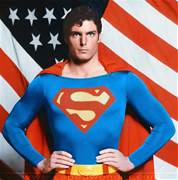
Not their literal deaths, mind you.
Suspect #2: The Death Of The Movie Star
Now here’s where we strongly disagree. If anything the act of celebrity over story has been a huge problem. Look at how many animated movies toss out voice actors in favor of some celebrity. Check the credits for League Of Super Pets, The Super Mario Brothers Movie, or getting Chris Rock to voice ONE LINE (according to the trailer) for the latest PAW Patrol movie. Then there’s the habit in superhero movies of the hero unmasking even when it doesn’t make sense so the actor can show off his face for his own ego and the studio who wants to show off the performer over the character. I’m surprised Thanos or the non-human Guardians didn’t turn human at some point so we could see the actor. The fact that Peter Cullen has played Optimus Prime in the movies when Frank Welker got a minor role in one movie and it wasn’t Megatron (at least it was Soundwave but they didn’t change his voice because they don’t trust the audience to have working ears) is amazing.
When Richard Donner made Superman: The Movie he wanted unknowns to play the roles because he wanted viewers to see the characters from the comics, not the actors playing them. Warner Brothers insisted on Marlon Brando, which was just a quick cameo, and the only other actor that might have a following was Gene Hackman. The creators of the Superman serials in the 1940s went so far as to not credit Kirk Ayan so the kids would only see Superman, and Ayan is one of the few actors who really understood how to separate Clark and Kal-El in his performance enough that you believed the disguise worked. Star Wars was mostly unknown, having done minor roles. The biggest name there was Peter Cushing from horror movies, and he gots blowed up real good. People went to these movies for the stories, decided they liked these actors, and then went to see what else they were in. Actors need to earn their names. Just look up some of the stinkers these people made before earning their fame. Sylvester Stallone’s early work should be enough to convince you. Spoilers: We’re talking PRE-Rocky. They wouldn’t be famous if not for those movies being something folks wanted to see. Willems even almost admits this when he notes Harrison Ford’s big breaks were Han Solo and Indiana Jones, not any of the TV cowboy roles he had. Clint Eastwood even started on TV as a main character on Rawhide.
Look at the actors who are big names. There was a time when studios didn’t just want a big name for the bragging rights but the right actor for the role. When you saw a John Wayne movie, you knew what kind of story you were getting but did you go for John Wayne or to see what his character did in this cowboy movie versus the one in that war movie? When you see Will Ferrell or Jackie Chan, you know what movies they make and what roles they play, and that helps you decide if you want to see it. You’re not expecting a romantic comedy with Donald Pleasance in the lead role, you’re expecting him to play the villain who gets defeated/killed in the end. The good actors can avoid or rise above typecasting, like comedy movie actor Michael Keaton and Twilight franchise lead Robert Patterson surprising everyone with their renditions of Batman.
There’s no better example of the actor being more important than the character than Black Panther. Even Chadwick Boseman’s family said to go ahead and recast him, but they turned one of the sisters into the new Black Panther and killed T’Challa off. Yet there was no complaints about Terrence Howard being replaced by Don Cheadle despite Howard being a much better Rhodey. They also replaced General Ross, with Harrison Ford, when William Hurt passed away. TWO actors have portrayed the First Doctor since the passing of William Hartnell in the show alone, and all the deceased Doctors or ones whose actors didn’t want to do audio dramas were replaced in Big Finish’s Doctor Who stories. The actor shouldn’t be more important than the character, especially if it’s a new adaptation. The chosen actor just usually tells us in advance if the right casting choice was made based on their history. I don’t think the movie poster alone of Tom Cruise’s face was enough for Jerry MaGuire. I don’t think most of the Top Gun fans were interested.
The current ego trips on social media don’t help, either. If anything, the movie star is helping to kill cinema with how they respond to fans and push personal agendas, showing no respect for adapted work and not convincing us the original stuff is worth seeing. Thus, the movie star is dying because you shouldn’t meet your heroes unless they actually act like those heroes in real life. They’ve been showing that they’re more interested in the roles they want to play and not whether or not that character is a proper adaptation, getting mad when fans don’t suddenly fawn over their work even though the writer and director are really the ones to blame for a bad adaptation. Again, the movie star dying isn’t killing cinema, it’s the movie star helping to kill cinema. As for the next suspect.
Oops, wrong rabbit.
Suspect 3: Roger…Rabbit?
Okay, we know this is a joke, but given Hollywood’s treatment of animated movies you know I had to say something here. If not, hello and welcome to BW Media Spotlight. Hope you find the site interesting.
Ever since the Oscars were forced by those supposedly dying celebrities to shove animation into its own category after Beauty And The Beast came close to getting the Best Picture nod the cartoon has been a dying platform. We can debate 2D versus 3D (and I have in the Art Of Storytelling series) but just look at Disney, a company founded by an animator who produced mostly animated pictures for years, is treating their animation library. Remakes of The Lion King, Aladdin, and even Beauty And The Beast in photorealistic or full-on live-action has been their formula, and the results have been garbage. The stories are a poor shadow of the original, while movies like Pete’s Dragon share a name or two and not much else.
Now they’re working on Snow White, a movie that Walt Disney created to show animation could make feature length stories that are just as good as their live-action counterparts and didn’t have to be regulated to matinee shorts, in live-action, with the title actress trashing the original movie and complaining about wearing a dress that lesser known performers wear all day long around the various theme parks in the California and Florida heat and humidity. Up next, Bambi is getting the Lion King treatment and nobody is asking for any of this. Animation is now back to being just for kids as the family pictures getting made nowadays are cheap direct-to-video trash in both formats. Celebs do them just to do something their kids can watch before going back to some swear-ridden R movie with blood and boobs. Of course those celebs are the ones that show up on the talk shows and interviews because of their star power, leaving voice actors in the cold no matter how badly the celeb’s performance is. (There are movie stars who do amazing voice acting. Mark Hamill and Malcolm McDowell come to mind.) Animators? You have to be a toon geek to know any of them.
Like I said, the movie star is killing animation, either due to their own ego or the movie studios wanting to show off who they got, whether the movie star is connecting with fans or not. That leads us to the next suspect:
Suspect 4: David Zaslav
Look, Zaslav has made some odd choices. If he thought the Batgirl film was so bad he was willing to take a hit because releasing it would be a worse hit, maybe it was that bad. Looking at The Flash he didn’t dodge fast enough (no pun intended) and the flopping of The Marvels probably proved he had a point, not because “womans” but because it wasn’t very good and badly promoted while being a continuation of terrible adaptations. We haven’t seen what they made, and there was already the race swap concern that they didn’t care about adapting the character correctly. The preschool show Batwheels gave us the same Barbara Gordon, but at least she maintained much of Babs’ personality, toned down but not dumbed down for the audience. As for his treatment of animated shows, we’re just talking film here, but that’s gotten him some hate as well.
It should be noted that Warner Brothers was not in the best of shape when he took over Warner Media from ATT, who probably shouldn’t have been in the movie & TV business in the first place. The CW, the merger of Warner Brothers’ The WB and Paramount’s UPN, and thus co-run by both Time Warner and Viacom, was recently revealed to be in serious trouble when Nexstar bought it. HBO Max also wasn’t doing so hot, which is what led Zaslav to cancel shows or allow them to stream elsewhere, like Tubi. While I find some of his decisions questionable, I think Willems is being way to harsh on him in his essay.
Okay, the station formerly known as The Learning Channel, now TLC, has shown very little TLC to good entertainment. I thought I Am Shauna Rae was okay and there are some decent shows among the reality crap. It’s just that there’s too much reality crap. On the other hand THE REST OF THE CHANNELS UNDER DISCOVERY NETWORKS! The Discovery Channel. Discovery Family. HGTV, the former DIY channel now run by Chip and Joanna Gains as Magnolia Network. Food Network. Science Channel. Look on the list of networks under the Discovery brand and he’s got more good stuff than reality crap, unless you really hate ANYTHING that isn’t scripted with people playing fake people. I think he’s proven, whatever his origins, that he understands television. While Warner Media is the first big scripted library (Discovery Family has plenty of scripted shows and now shows more of the classic animation library Ted Turner fought to acquire than the Cartoon Network he wanted it for), it’s not like he’s a complete dollard when it comes to entertainment and fiction.
He may love movies, but he’s also a business man and he inherited a mess from ATT, who just wanted out ASAP after what THEY inherited. I’m not going to say he’s actually saving cinema and I do question a lot of his actions but as far as the suspects on this list only Roger Rabbit is a worse choice. You can’t make great movies if the company closes, and it’s not like Warner Brothers didn’t screw up things. Atari, anybody? I’m more annoyed that Zaslav has shown a lack of concern in DC Comics, seeing it as an IP engine like Disney treats Marvel Comics. As for Bob Iger, that’s a discussion in itself, just for going over how he purposely screwed over Bob Chapek (something Patty (H) really needs to look into), and that was after Michael Eisner’s mistakes. Which brings us toooooooo…………….
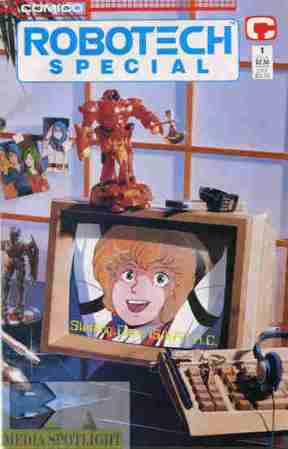
Imagine Dana Sterling with a Tiktok. If you don’t know fear, you never watched Robotech or Southern Cross.
Suspect 5: Tiktok and other new media
So just say new media. Movies are a different experience from video games due to being interactive. As Willems pointed out, short form videos on YouTube and Tiktok, the former of which hosts old movies legally (and sometimes not if a poster isn’t caught uploading something not in public domain) both from studios and independent/fan films, are also not the same any more than books, comics, audio dramas, or everything else we cover here at the Spotlight. It’s just another example of old media hating on new media, which I’m betting caused some of the early obituaries for cinema that Willems noted in his video’s intro. Newspapers did it to radio, radio did it to TV, TV is still doing it to video games and YouTube, and the beat goes on. As do we.
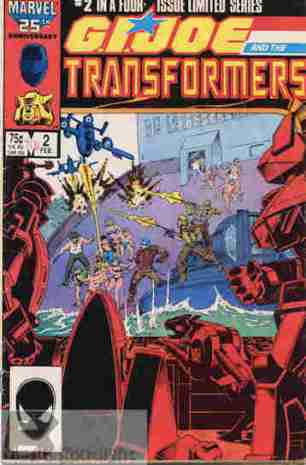
“Are you watching that military show again?”
Suspect #6: Streaming Services
Willems focuses on Netflix, but let’s be honest. This is a gang attack on cinema and the theatrical moviegoing experience. Streaming services follow a trend in history that would lead to their existence as the technology advanced. Follow along with me:
- Television starts airing movies. National networks–at the time only the three of ABC, CBS, and NBC–would air movies on the weekend. The syndicated channels would also air some of the lesser known movies, which is how I was introduced to Godzilla and the Pumaman. The aspect ratio difference, broadcast standards, and time allotted allowed for changes. Hollywood at first wasn’t happy but the studios saw extra returns they wouldn’t have gotten from simply re-releasing an old movie in theaters after whatever number of years, and allowed movies to find an audience. It’s A Wonderful Life is a flop that is now a Christmas classic due to TV.
- Then HBO arrived. No commercials and you had to pay the cable company extra, but you got movies in their original form, minus the aspect ratio issues. Soon they would make their own documentaries and even original movies, much as broadcast TV created their own “made for TV” movies. These wouldn’t have the larger budgets of their theatrical counterparts but it was still a way to see stories that probably wouldn’t have been made for the theaters or worked better in a home environment.
- Home video comes into existence. Once VHS beat Betamax for being more affordable even though Betamax allowed for higher quality, movies could now come to you. Hollywood had a fit because it would turn people away from movies and TV, or so they alleged. There were also worries of bootlegging being easier, which at least had some merit. Hollywood was worried about the experience, as well. Now you could pause your movie and use the bathroom or refresh your snacks, and the auteurs didn’t like the change because they saw movies as THE experience. This has not changed in creative realms. I’ve noted on too many occasions to link to that the live-action theatrical status symbol is alive and well, treating other media formats as lesser on the totem pole, comics and video games still being on the bottom.
- The internet soon became powerful enough to stream movies. Torrent sharing was a thing but this is when Netflix arrived on the scene. As they proved to be more successful and home video started to wain, studios and networks saw dollar signs, an advancement over the pay per view and on demand systems that had risen on cable and now satellite systems. YouTube started up to take advantage of the bandwidth and soon the new form of bootlegging began as well as smaller creators realizing they could create their own entertainment as video editing and digital cameras or VHS-to-digital transfers became easier.
- Wanting to bypass the middleman and get the money directly, streaming services started popping up run by the studios themselves. First it was just the network’s own sites but then you had joint ventures like Hulu, and then finally Disney and Viacom decided to do it all themselves believing they could get all the cash but not realizing the effort involved. Meanwhile the old premium channels like HBO and Showtime tried to get into the game as tablets and cellphones became an option, since watching on the computer isn’t the same as watching on the TV. Unfortunately, the studios just continued in the more familiar and comfortable styles of television and cable/satellite and that’s been something they’ve been trying to overcome.
That’s the basic version anyway. As far as streaming killing Pixar, considering some of the reviews I’ve seen for Lightyear I’d say poor quality is what’s hurting the brand. Lightyear did not feel like the movie that would make Andy from Toy Story excited because it was nothing like what was depicted, while the movie division looked down on the TV division that made the more likely candidate, the Buzz Lightyear Of Star Command direct to video movie pilot and follow-up TV series, persona non grata. Most of their other movies I’ve seen reviewed were bland or possibly cringe depending on your interpretation. Turning Red is so not my kind of movie that I have no interest in seeing or reviewing it so I’m taking the word of people whose opinion I trust both male and female on it. Also, even when Pixar hits theaters you know it’s going to be streaming soon so people are waiting for the streaming release for reasons I’ll go over in part three. I’m at 4000+ words already. There’s a part three for the last part. I’ll discuss theaters there.
Why do I need a part three? Because there are culprits I’ve hinted at that weren’t explored in the video and I feel need to be listed. This isn’t a one suspect job. It’s a mess all around and I want to make sure everybody gets their due. Before we do that, however, I just noticed that he made a follow-up video that’s almost as long. Can I get this in three parts or do we need a part four? Find out next time.




[…] In part two, because that video and my response were both very long, I posted my response as a separate article. […]
LikeLike
[…] Is Murdering Cinema: In this three part article (each word a different link), I responded to a video by Patrick (H) Williams going over why […]
LikeLike