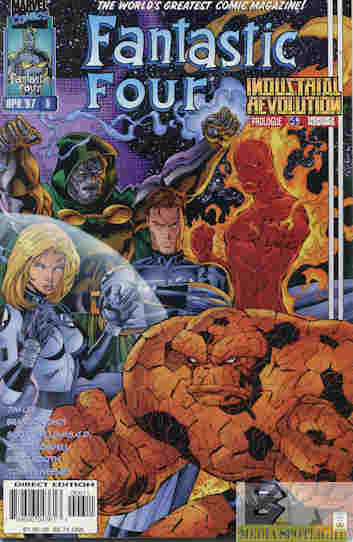
Ever since I was a kid I’ve loved superheroes. When you’re the boy dealing with bullies, suffering from a temper and poor social skills the superheroes of my youth were amazing. I grew up at a time when the universe around a superhero was allowed to love them, and any voice to the contrary was a jerk like J. Jonah Jameson or one of the villains. On rare occasion it was understandable given a situation but for the most part those colorful costumes elicited cheers and relief from the people they were here to save.
I grew up in what I call the golden age of superheroes. On TV you had reruns of classic superhero shows alongside new ones and both were fun and uplifting. It took a while before I could get comics on a regular basis but the ones I could get I’ve reread so often some of them don’t have covers anymore. In middle school I started making my own superheroes and never really stopped. If not for the setbacks I’ve had the past few years and the time it took to improve my skills to where I’m comfortable making and sharing them to the world this would be a different website right now…or at least I’d have a second website just with superhero and sci-fi adventures.
The super”heroes” I see today don’t reflect the heroes I grew up with. The more cynical writers out there right now don’t embrace uplifting ideas because they’re all about gritty revenge or social promotion, while the writers brought in for DC’s YA stories just use the characters in non-superhero adventures, preferring to do some slice-of-life thing. I don’t hate that genre, and there are a few stories I do enjoy from it, but it isn’t a superhero story. And while some writers and editors even refuse to believe that comics and TV can inspire us they didn’t read the comics or watch the cartoons and live-action superhero shows I did. Here’s some of the stuff I learned.
Continue reading →
Tell others about the Spotlight: