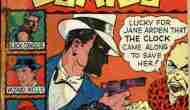
Eartha Kitt: Femme Fatale #0
Bluewater Productions (September, 2014; as posted to comiXology)
“KItt Meets The Gorgon”
WRITER: Marc Shapiro
PENCILER/COLORIST: Felipe Montecinos
INKER: Ricardo Ayala
LETTERER: Warren Montgomery
EDITOR: Bea Kimera
Eartha Kitt: Femme Fatale #0
Bluewater Productions (September, 2014; as posted to comiXology)
“KItt Meets The Gorgon”
WRITER: Marc Shapiro
PENCILER/COLORIST: Felipe Montecinos
INKER: Ricardo Ayala
LETTERER: Warren Montgomery
EDITOR: Bea Kimera

I have two potentially really good commentaries I could make right now but given how crazy the next few weeks are going to be for me and being up against deadline (probably over it by the time this goes live) and that I like to end the week on a fun or thoughtful note instead of a rant I need something else. So let’s talk about television networks and their would-be successors in web series. (Netflix still isn’t a TV network to me.)
In Japan most TV shows (at least the ones that reach us) last maybe a season or two. A franchise like Ultraman or Kamen Rider may introduce yet another sequel with a new hero, new way to summon them, and even a new universe to face new threats. Shows like One Piece are a rare exception, and that manga is nearing its finale. In American TV however even a show with a running storyline, something fairly recent as most shows have done-in-one episodes, can outstay its welcome if the show is making the network or streaming service enough currency. There are fans who still watch The Simpsons despite all the complaints that the show has long outlived it’s shelf life. Imagine a show with a finite story being forced to extend that story because it has people watching. This can damage a show, as the following video by Harblo Wholmes goes over.
Scooby-Doo Team-Up #11
DC Comics (September, 2015, as reprinted in the comiXology version of the volume 2 trade)
“I Spy Something…Boo!”
WRITER: Sholly Fisch
ARTIST: Dario Brizuela
COLORIST: Franco Riesco
LETTERER: Saida Temofonte
ASSISTANT EDITOR: David Piña
EDITOR: Kristy Quinn
It’s not part of the usual topics here at the Spotlight but I found it interesting enough to share with everyone.
Catch more Today I Found Out on their YouTube channel.
Yes, I know this is in the wrong post schedule. I’ll get more into it in the Sunday post but things are going to be a bit disorganized for a few weeks.
Robotech Masters #9
Comico The Comic Company (July, 1986)
“Stardust”
ADAPTATION: Mike Baron
LAYOUTS: Neil D. Vokes
FINISHES: Many Hands (The Grand Comic Database credits Phil Lasorda, Gerry Giovinco, Reggie Byers, Michio Okamura, and Chris Kalmick, but I don’t know where they got their information.)
INKER: Keith Wilson
COLORIST: Tom Vincent
LETTERER: Bob Pinaha
EDITOR: Diana Schutz

“Vs” is a bit strong here since we actually agree on a few points and this isn’t even an official article series (I don’t even have a category, never mind a logo but I should change both situations). However it is me going through an article and commenting on it, so read the article first and then come back to me. Said article is by GQ contributor Keith Phipps, writing about how many gritty reboots we’ve been getting lately.
I get concerned when a show or movie or any story is praised for being dark, as if a lighter story can’t also be interesting or speak to the human condition or whatever else. Maybe I don’t want to be depressed, immediately hate my fellow human for the crime of still using oxygen, or see a bunch of bloody guts fly onto some woman’s naked breasts. That’s why I tend to shy away from so many stories supposedly targeting my demographic. (Remind me to talk about how bullcrap demographics are someday.) So when something I enjoy gets pulled to the dark side I know what Obi-Wan Kenobi felt, watching something you love turn to everything you fight against. This article, “Zack Snyder’s Justice League : The History Of The Gritty Reboot”, features some good examples, but you can guess what it focuses on.